The fast green plate I make when chives are in season is this one – chives and suji stir, and this home cook’s version opens with an honest shrug: do not ask me the difference between suji and five-spice dried tofu, the label just said suji. A home cook wrote it in ten steps with a trick in the eighth: a little water keeps the suji from drying out. I made it as written, and it is the bright, savory plate of spring.
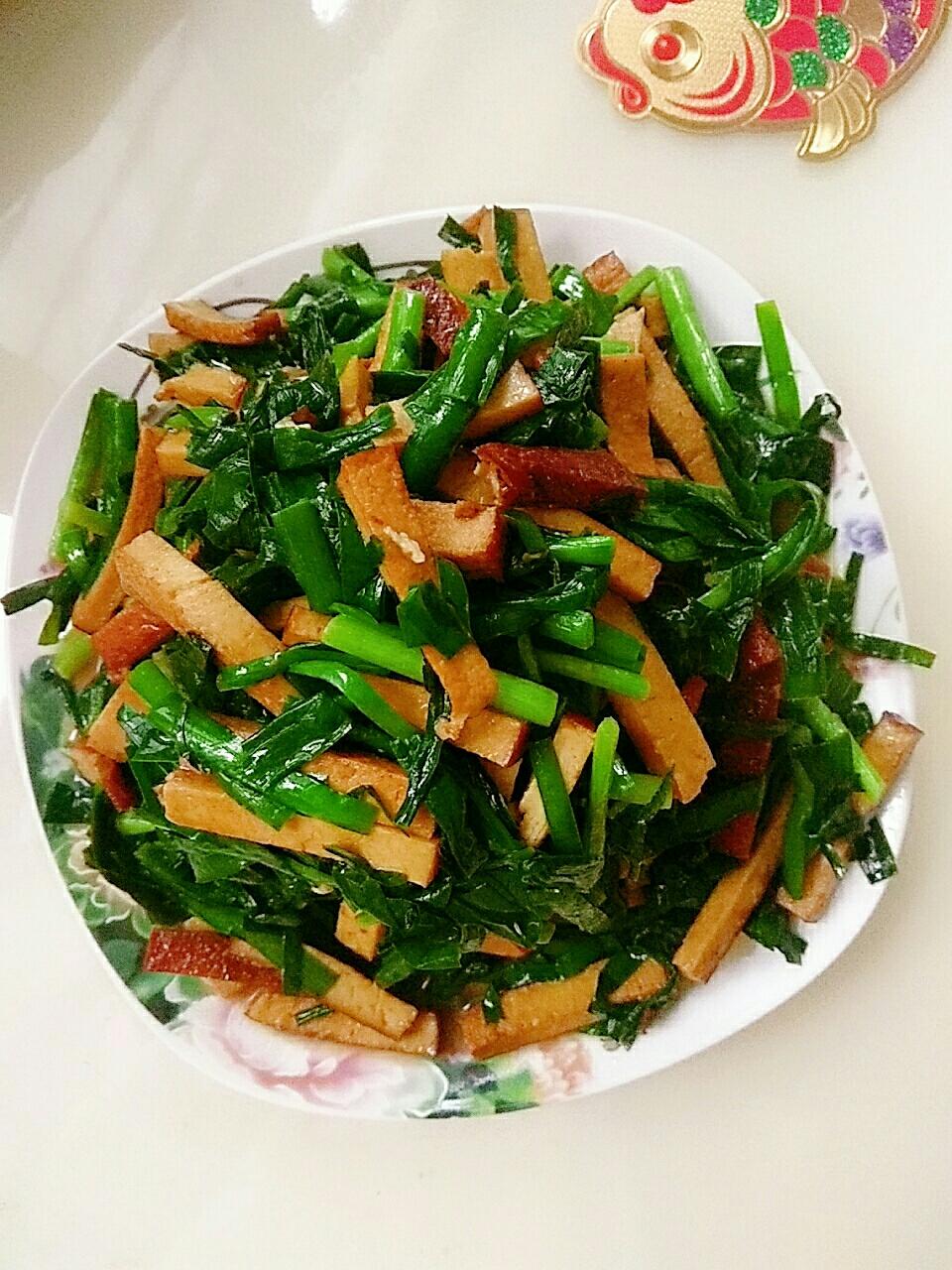
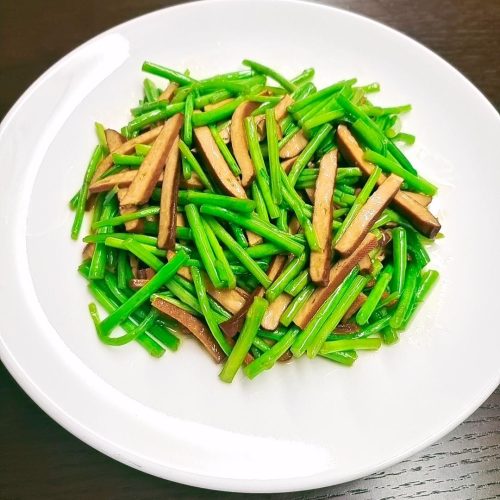
Jiu cai chao su ji (韭菜炒素鸡) is chives and suji stir – strips of suji (the pressed five-spice tofu roll) colored in soy and tossed with fresh chives over high heat, with a splash of water so the suji stays soft.
What Is Chives and Suji Stir?
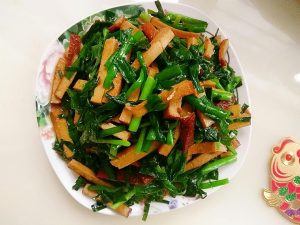
This is the spring plate with the recipe’s own shrug of a title: suji strips are cut about the length of the chives – as much as you like, the author cut a whole block and admits it was too much. Chives are cleaned, cut, and drained well. Thirteen-spice powder and chili bloom in oil, the suji goes in with light soy until every strip has color, and here the trick: a little water if you do not want it dry, which puffs the suji soft. The drained chives go in over high heat, wilt, and meet salt and chicken powder.
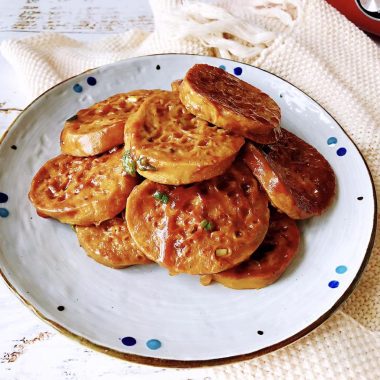
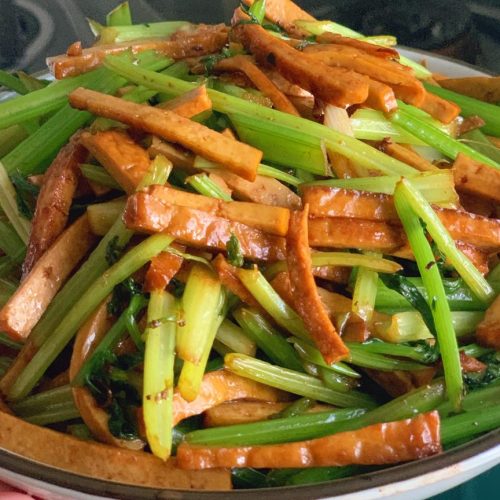
For the saucy braise of the same pressed roll, my red-braised sujitang simmers instead of stirs.
Why This Recipe Works
- [‘
- The suji strips. Length of the chives, width yours.
- Thirteen-spice and chili first. The fragrant base.
- Soy for color. Every strip touched.
- The water splash. Suji softens, never dry – the recipe’s trick.
- Chives over high, drained. Bright, quick, sweet.
‘, ‘
‘, ‘
‘, “
“, ‘
‘]
Equipment Needed
- A wok
- A spatula
Ingredients
- 1/2-1 block of suji (pressed tofu roll)
- 1 bunch of fresh chives
- 1-2 chili peppers in rings (optional)
- 1 tbsp light soy, with a little thirteen-spice powder, salt, and chicken powder
- A splash of water (optional)
Ingredient Notes
Suji: The pressed tofu roll – half a block is enough for two. Chives: Washed, cut, drained well. The trick: A little water keeps the suji soft. My red-braised sujitang is the saucy version.
Prep & Mise en Place
Cut the suji; clean and cut the chives; slice the chili; have the soy and spice ready.
Cooking Process
Step 1 – Do not ask me the difference between five-spice dried t
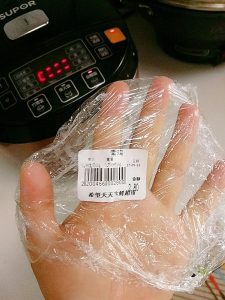
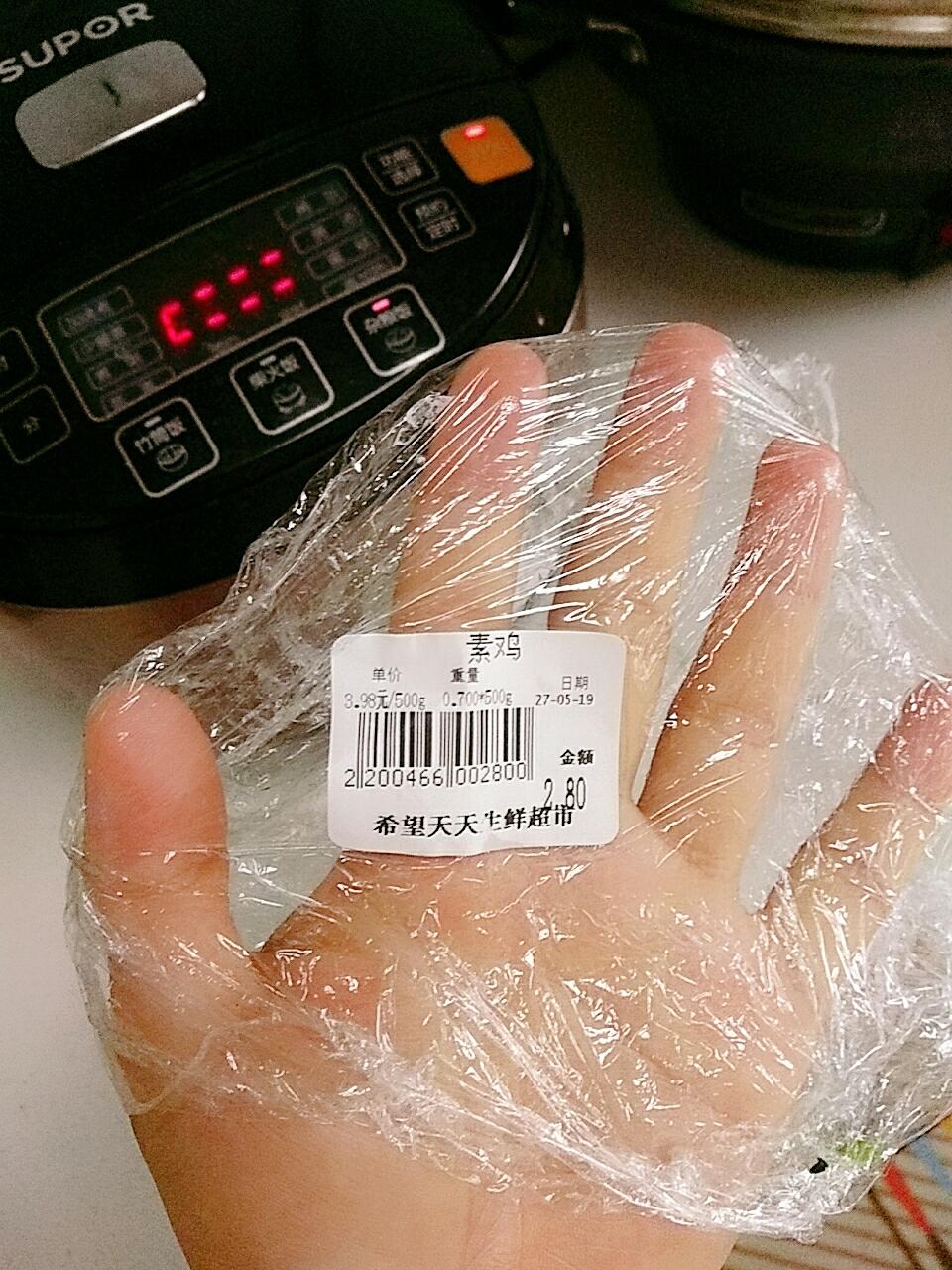
Do not ask me the difference between five-spice dried tofu and suji – I do not know either; mine came labeled suji from the supermarket. Buy a block; cut it all or half it if you are cooking for few.
Step 2 – Get a bunch of local chives; pick off the dry leaves an
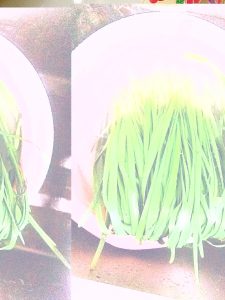
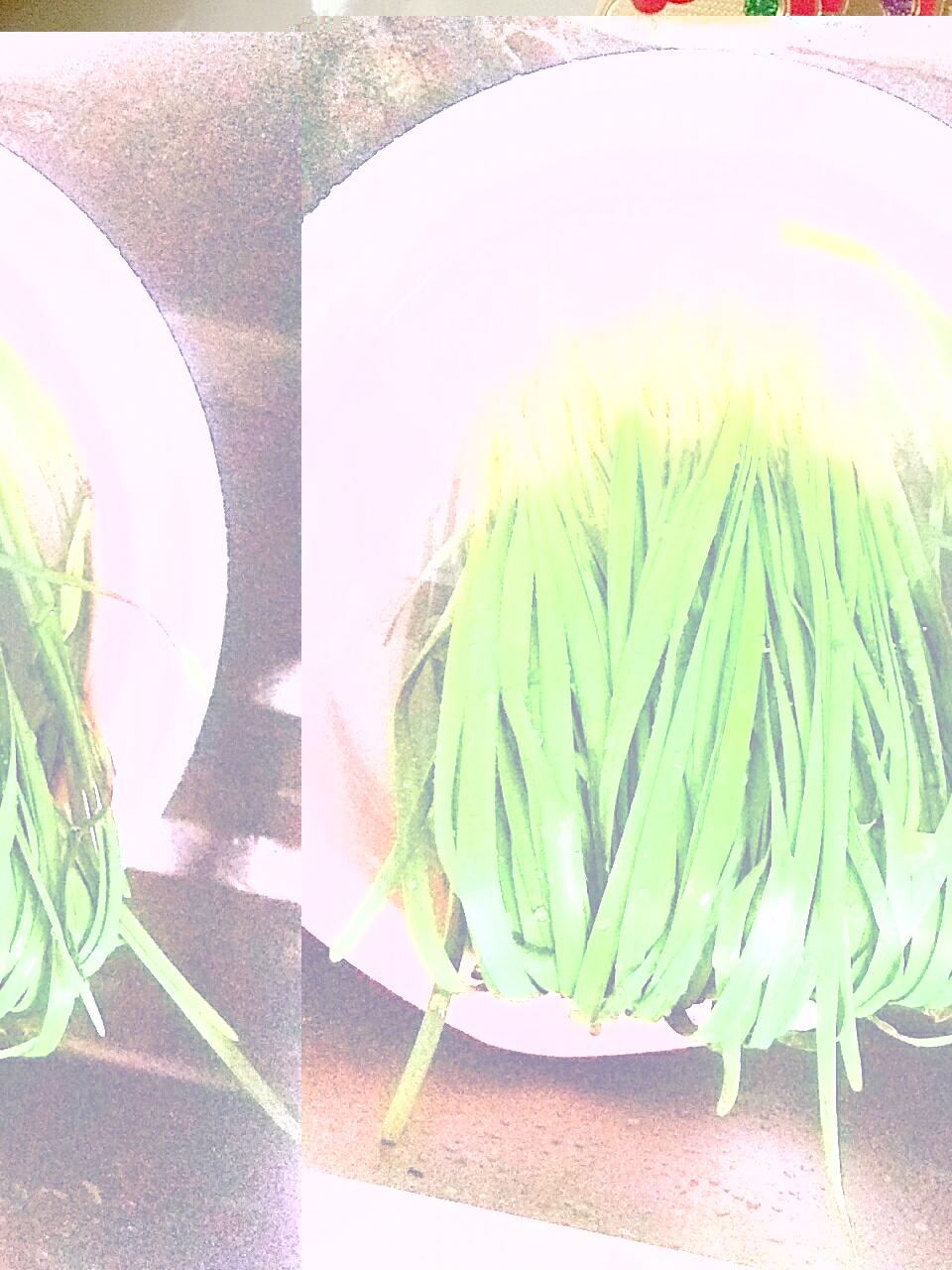
Get a bunch of local chives; pick off the dry leaves and wash them clean.
Step 3 – Cut the chives into segments and wash them again; drain
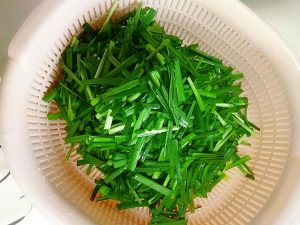
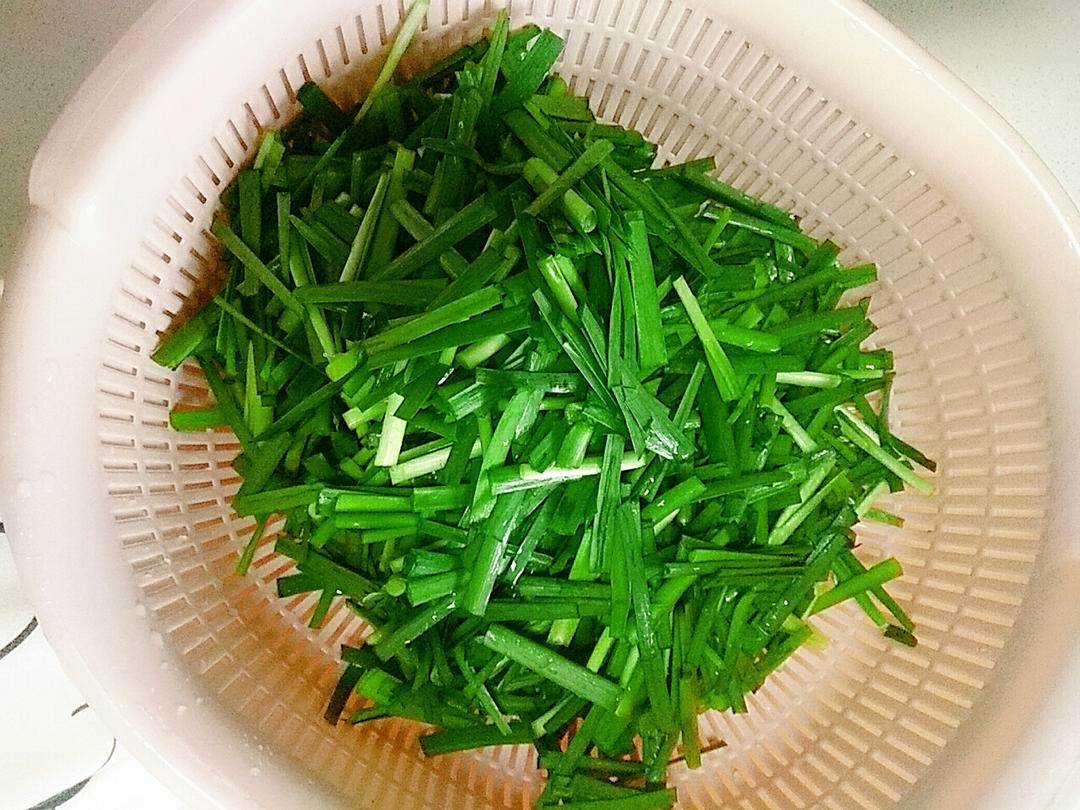
Cut the chives into segments and wash them again; drain well.
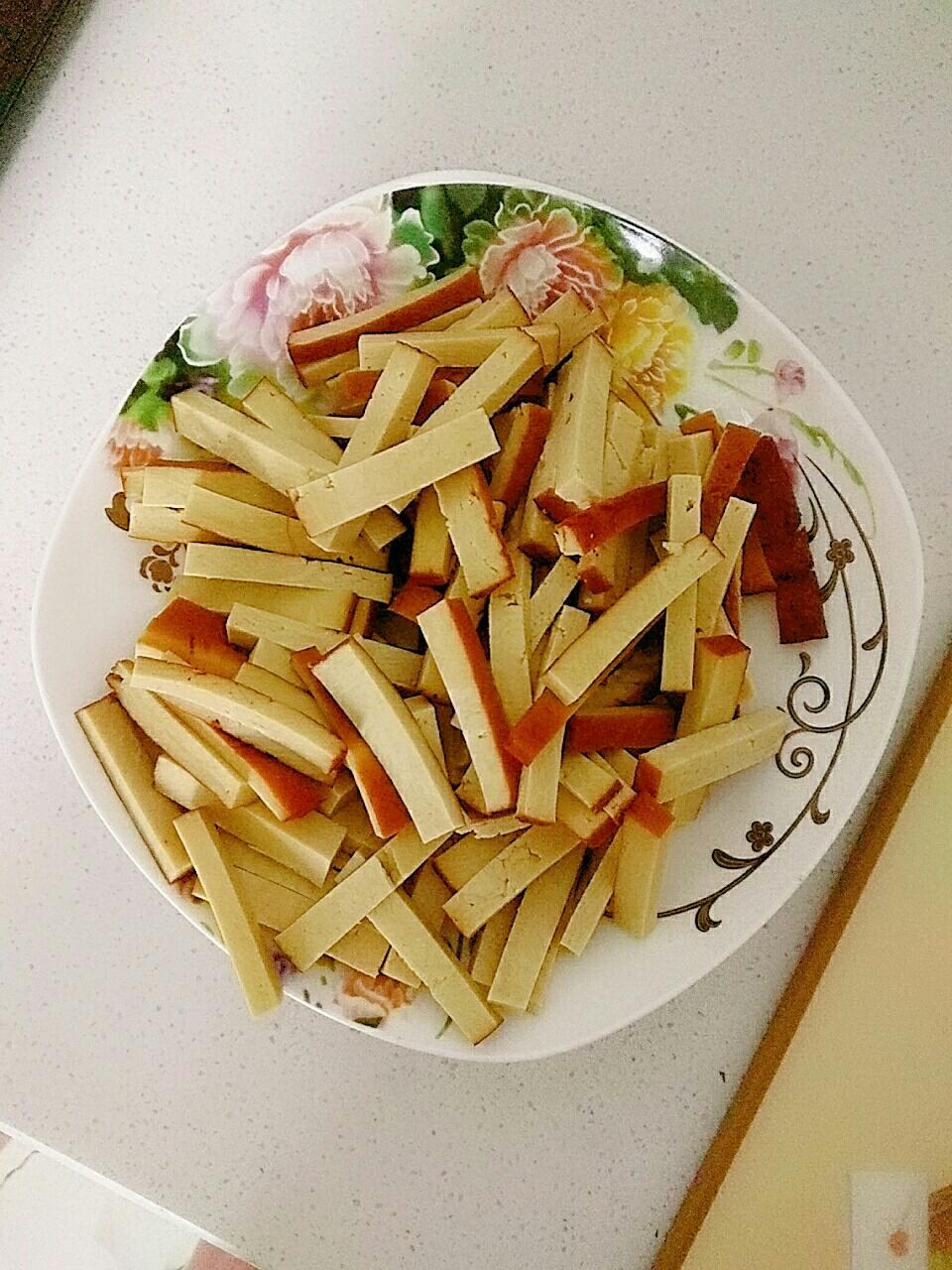
Step 4 – Cut the suji into thin strips about the length of the c
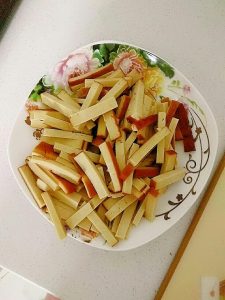
Cut the suji into thin strips about the length of the chives – width and thickness yours; I cut the whole block and it felt like a lot, so go by your appetite.
Step 5 – Cut the chili into small rings (optional)
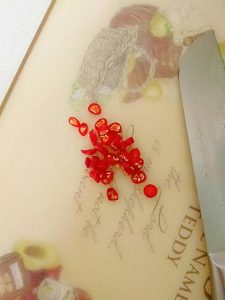
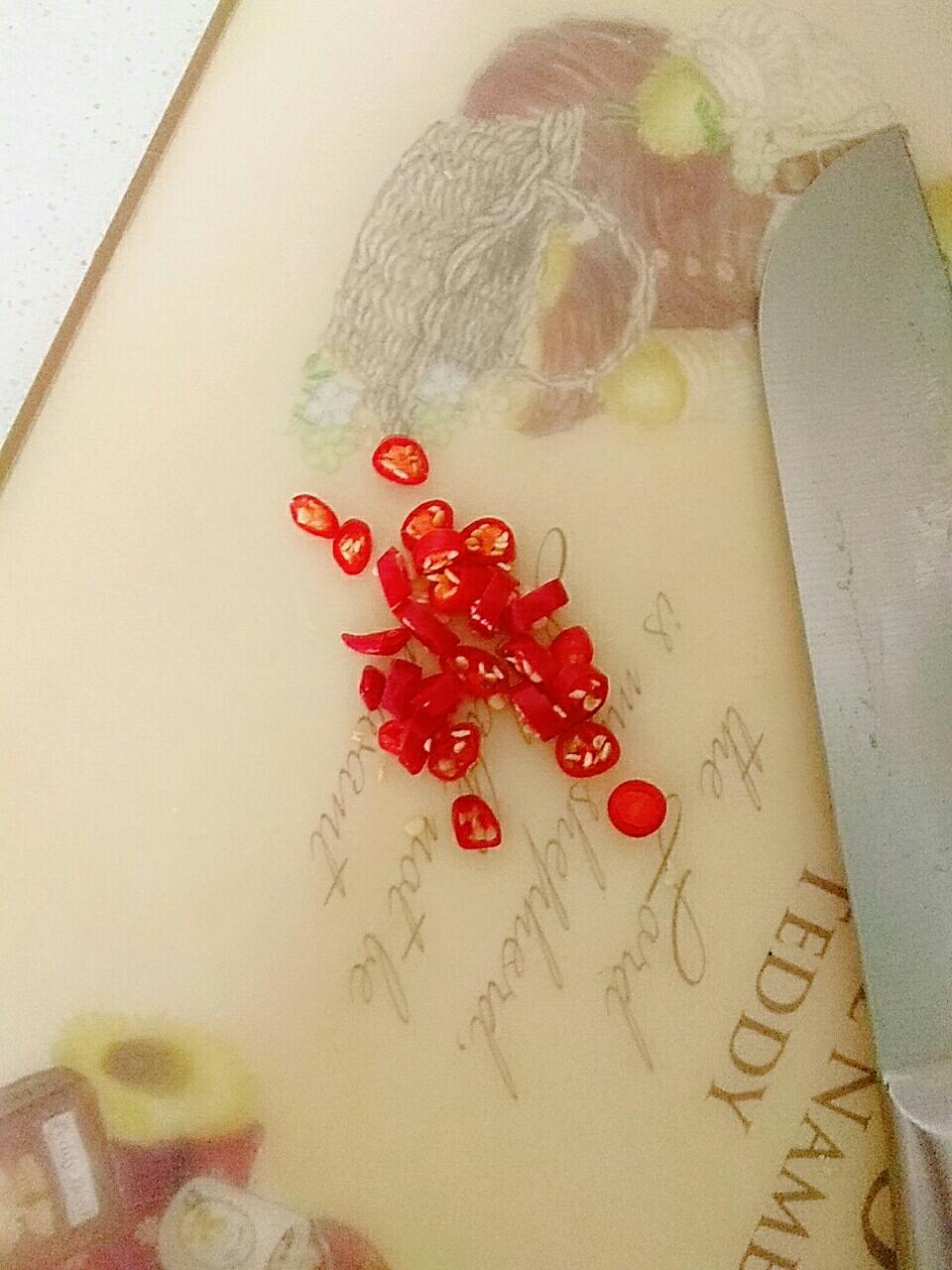
Cut the chili into small rings (optional).
Step 6 – Heat oil to about six-tenths hot and bloom the thirteen
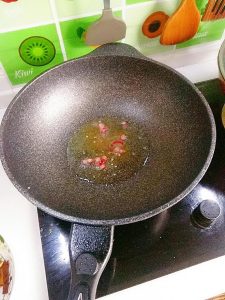
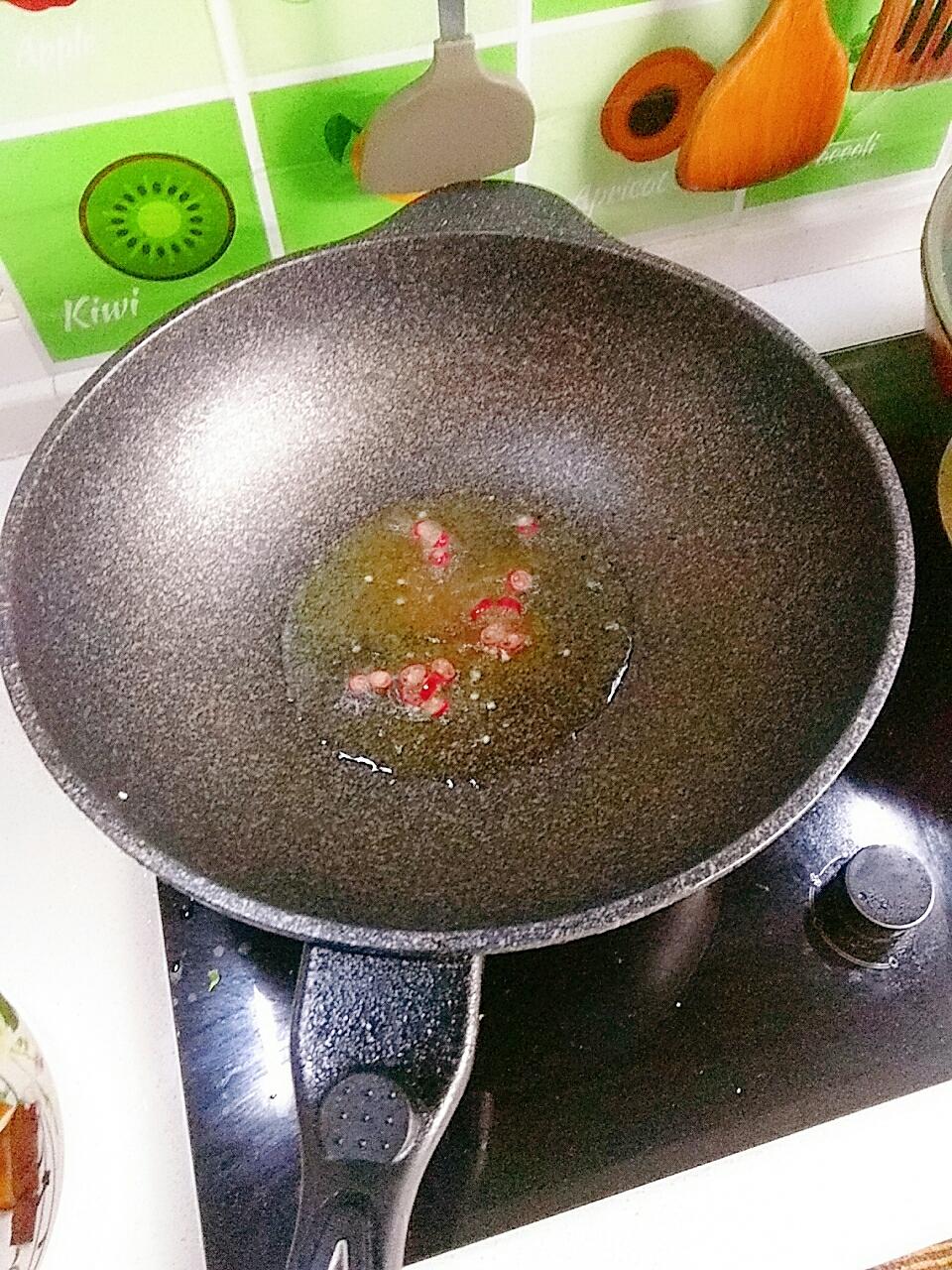
Heat oil to about six-tenths hot and bloom the thirteen-spice powder and the chili.
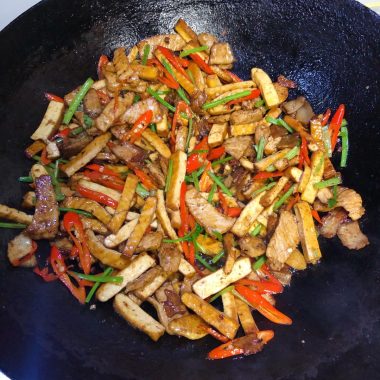
Step 7 – When fragrant, add the suji with a little light soy and
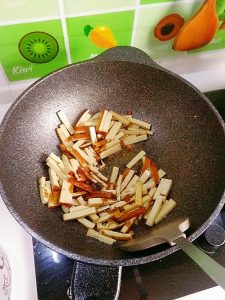
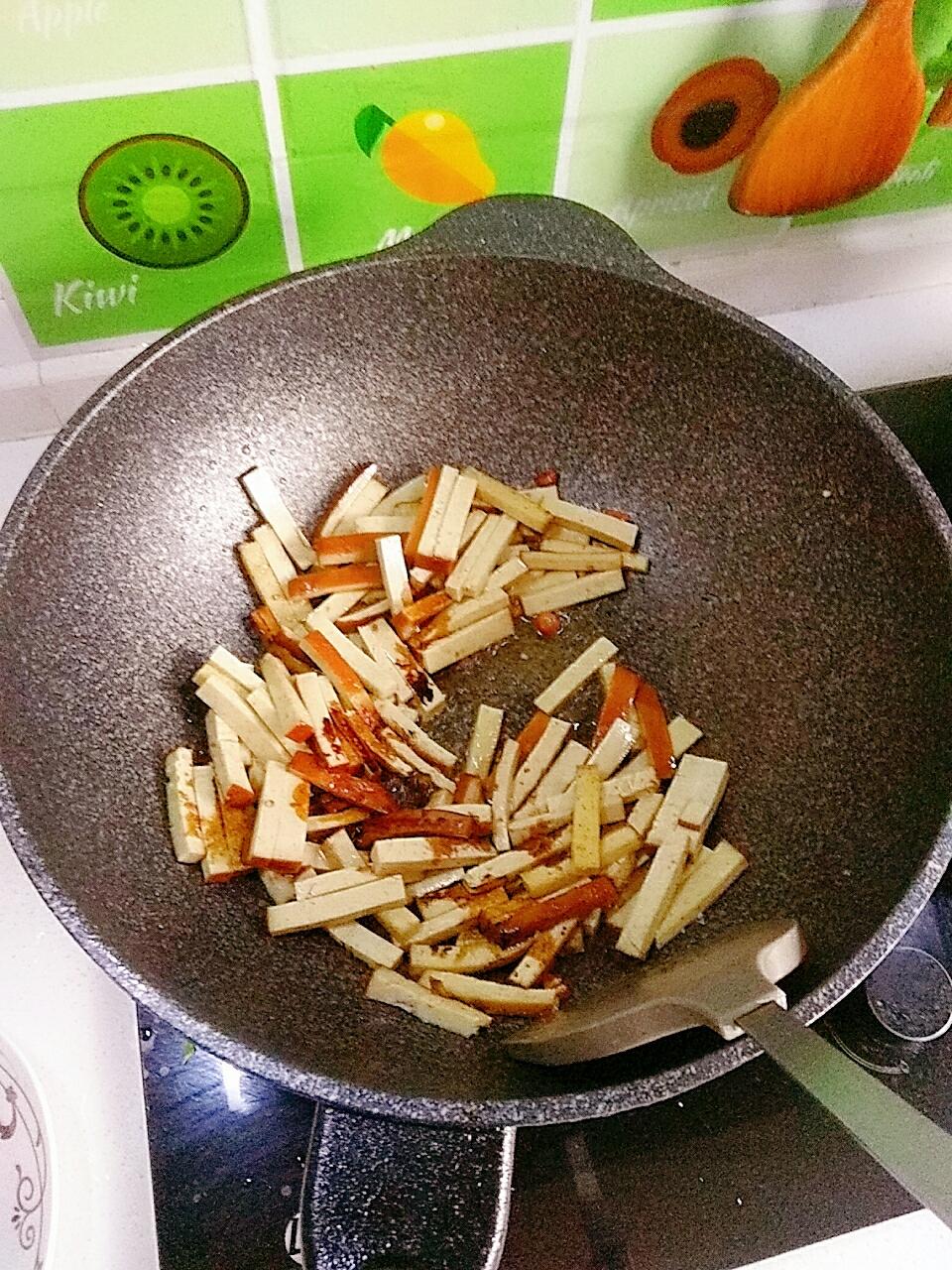
When fragrant, add the suji with a little light soy and toss so every strip takes the color.
Step 8 – If you do not want the suji too dry, add a little water
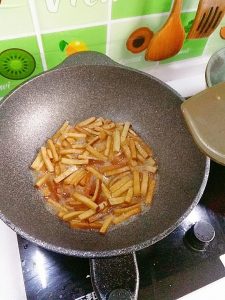
If you do not want the suji too dry, add a little water so it puffs up soft – if you like it dry, skip it and stir until the suji drinks the soy and softens.
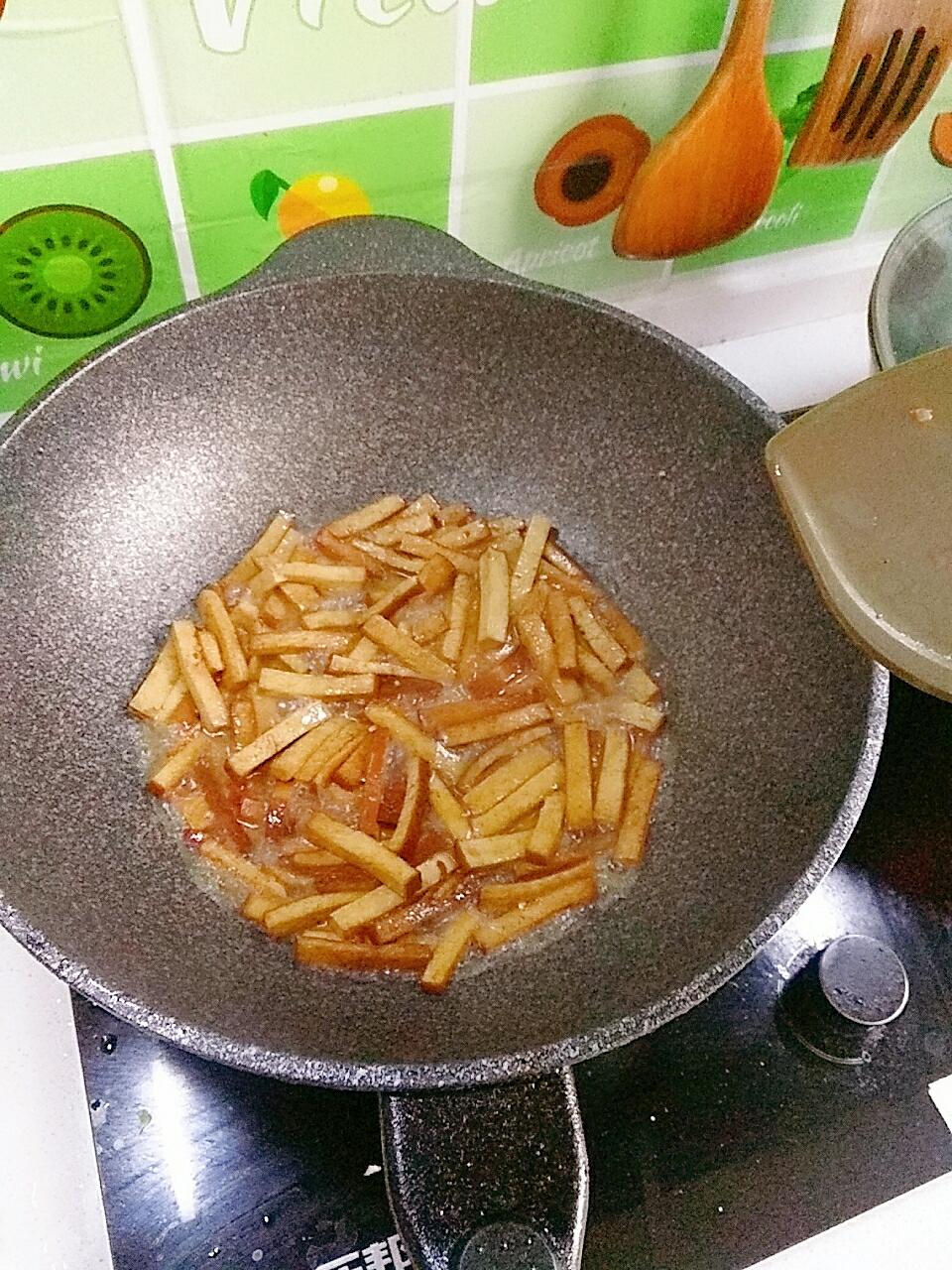
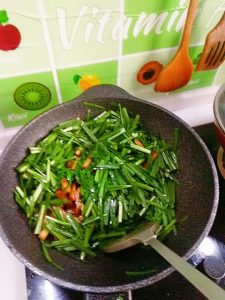
Step 9 – Add the drained chives and toss quickly over high heat;
Add the drained chives and toss quickly over high heat; when they soften, add salt and chicken powder and toss.
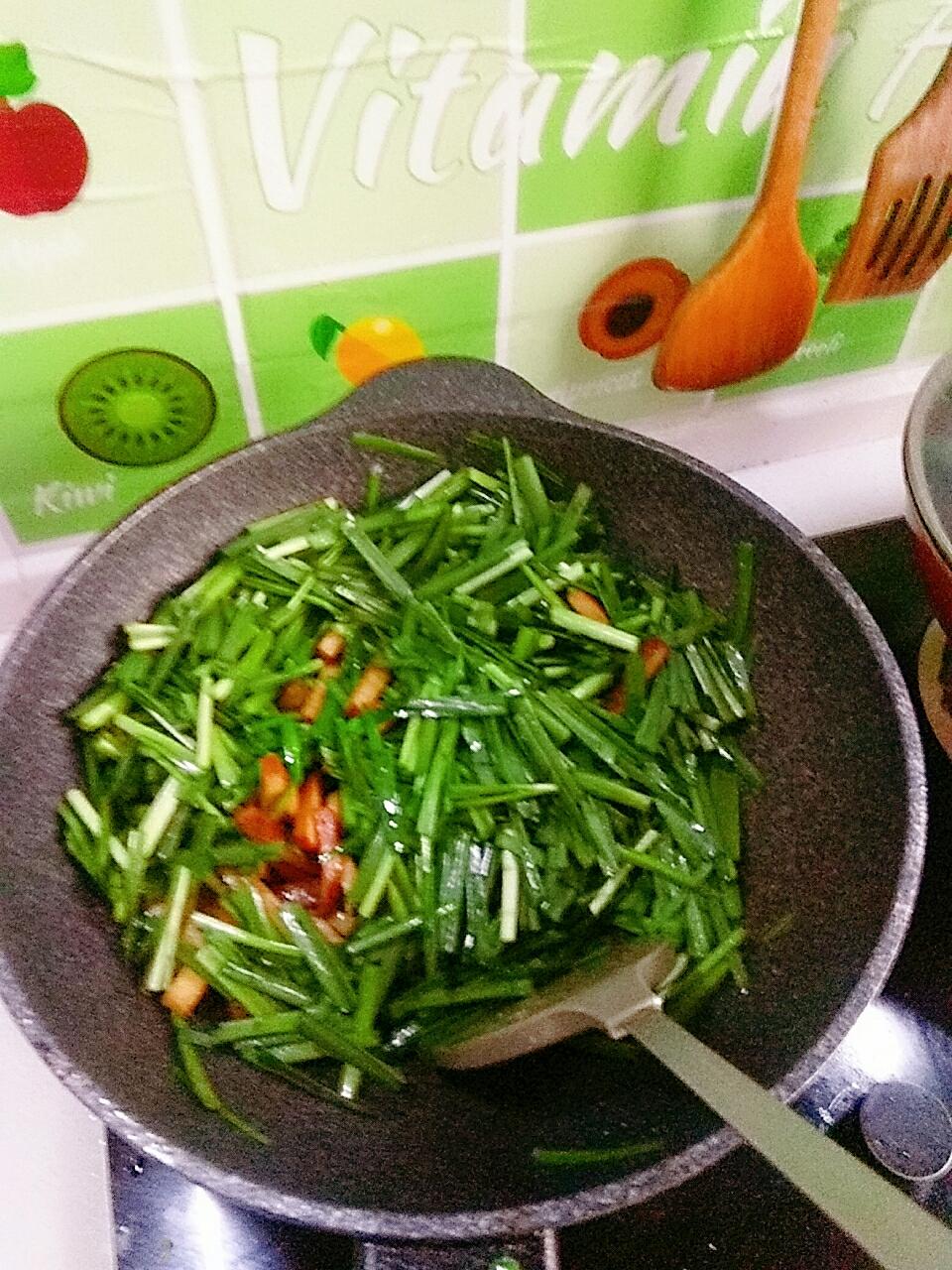
Step 10 – One plate, a little much – half a block of suji would h
One plate, a little much – half a block of suji would have been just right.
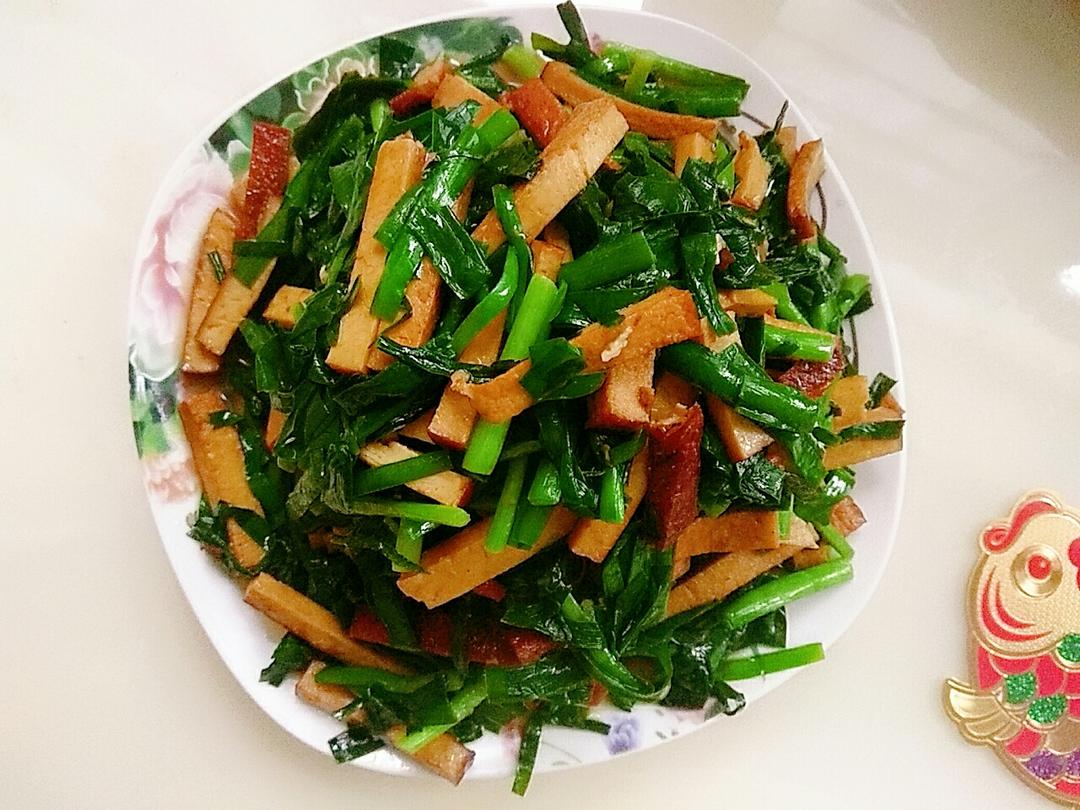
Common Mistakes When Making This Dish
1. Dry, hard suji. Cause: no water. Fix: the splash – the recipe’s trick. 2. Wilted, bitter chives. Cause: wet or slow. Fix: drain well and high heat. 3. A raw thirteen-spice bite. Cause: not bloomed. Fix: into the hot oil first. 4. A pale, patchy plate. Cause: shy soy. Fix: every strip colored. 5. Too much suji. Cause: the whole block. Fix: half – the recipe’s own note.
Variations
No chili: Skip it – the recipe calls it optional. With egg: A scrambled egg folded in at the end. My savory tofu and egg stir-fry is the soft-tofu version of the green toss.
Frequently Asked Questions
What is suji? The pressed tofu roll – the label in the market said suji. Why the water splash? It keeps the suji from drying – the recipe’s trick. How much suji for two? Half a block, the recipe admits. How long does it take? About 15 minutes. Is it spicy? Only if you add the chili – and my green pepper and dried tofu is the other fast stir, silken tofu potage the mild soup.
How to Serve
Serve with rice or congee – with red-braised sujitang, savory tofu and egg stir-fry, and home-style tofu for a spring table, or with braised tofu with bok choy and golden pan-fried tofu for contrast.
Storage & Reheat
Refrigerate 2 days; reheat quickly. Never leave out more than 2 hours. For the braised version of the same roll, my red-braised sujitang simmers in soy.
Allergen Notice
This recipe contains soy (suji, soy sauce). It is free of gluten (verify the soy), dairy, egg, nuts, fish, and shellfish.
Nutrition Disclaimer
Nutrition information is calculated using an ingredient database and should be considered an estimate. In cases where multiple ingredient alternatives are given, the first listed is calculated for nutrition. Garnishes and optional ingredients are not included.
About the Author & Recipe Development
I am Jason Guo, a Chinese chef who has cooked professionally for more than five years – including time as a head chef – and now runs my own small restaurant in China, where tofu appears on the menu almost every day. This xiachufang cook’s chives and suji stir is the spring plate of my market days, and the recipe’s water-splash trick and honest half-block note are exactly why I trust it. I tested it as written. I have not tested the egg version, so that is your experiment, not my claim.
Authoritative References
USDA Food Safety and Inspection Service – Safe Temperature Chart for safe storage of cooked dishes.
Chives & Suji Stir (韭菜炒素鸡): The Water Splash Trick
Ingredients
Equipment
Method
- Do not ask me the difference between five-spice dried tofu and suji - I do not know either; mine came labeled suji from the supermarket. Buy a block; cut it all or half it if you are cooking for few.

- Get a bunch of local chives; pick off the dry leaves and wash them clean.
- Cut the chives into segments and wash them again; drain well.

- Cut the suji into thin strips about the length of the chives - width and thickness yours; I cut the whole block and it felt like a lot, so go by your appetite.
- Cut the chili into small rings (optional).
- Heat oil to about six-tenths hot and bloom the thirteen-spice powder and the chili.
- When fragrant, add the suji with a little light soy and toss so every strip takes the color.
- If you do not want the suji too dry, add a little water so it puffs up soft - if you like it dry, skip it and stir until the suji drinks the soy and softens.
- Add the drained chives and toss quickly over high heat; when they soften, add salt and chicken powder and toss.
- One plate, a little much - half a block of suji would have been just right.