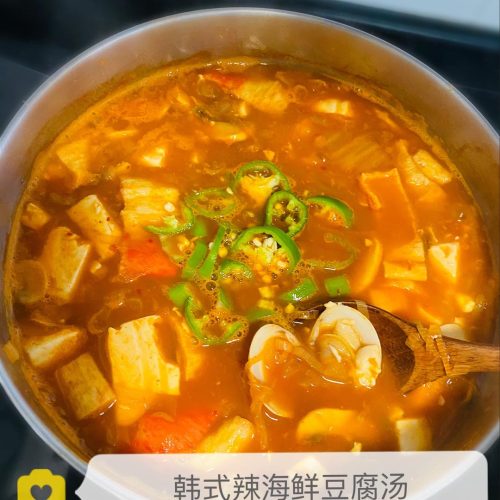
The red bowl I make when the drama of Itaewon Class comes home is this one – Korean soft tofu stew, and this home cook’s version uses second-wash rice water so the broth turns milky. A home cook wrote it in eight steps with the technique in the title: rice-wash water, and the kimchi added late if you like it crisp. I made it as written, and it is the hot, silky bowl that wakes up a quiet evening.
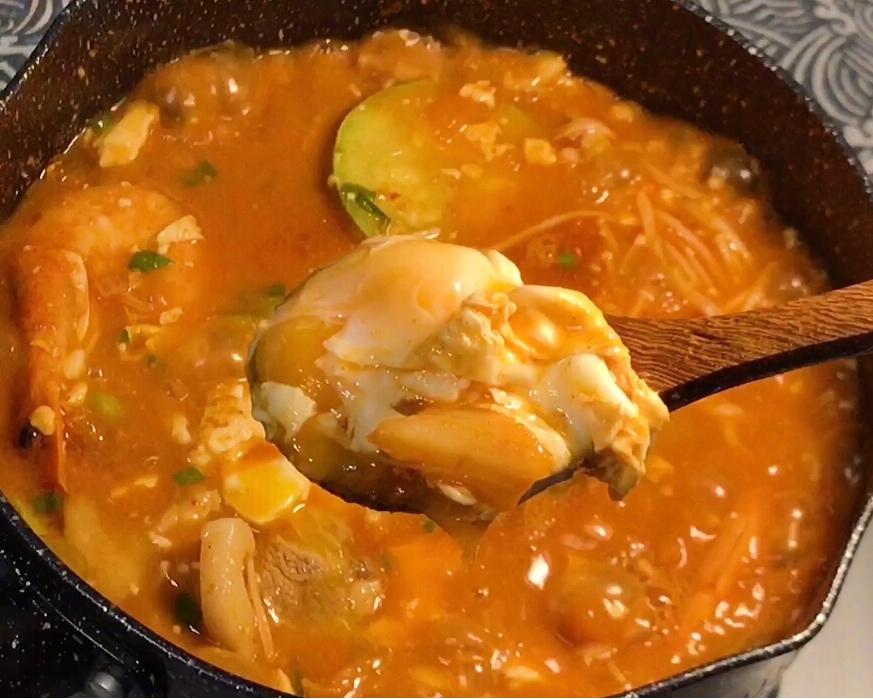
Han shi nen dou fu tang (韩式嫩豆腐汤) is the Itaewon-style Korean soft tofu stew – pork and onion bloomed, then simmered with gochugaru, gochujang, and a whole box of silken tofu in rice-wash water, finished with egg and sesame oil.
What Is Korean Soft Tofu Stew?
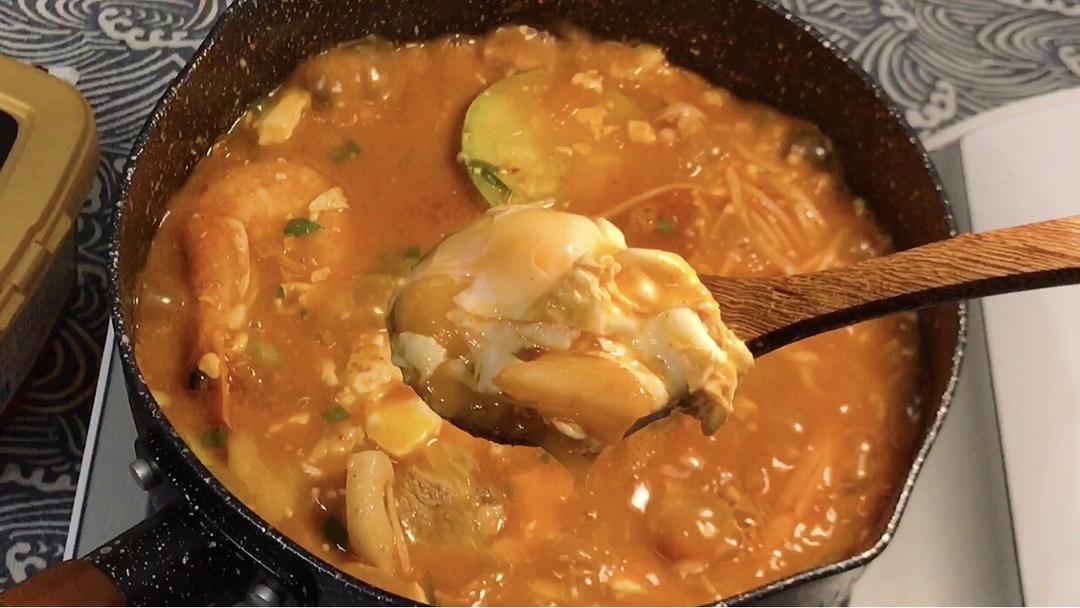
This is the sundubu of the drama tables: a little oil blooms the onion, and pork belly is fried until it just browns. Second-wash rice water – the one that makes the broth milky – goes in with a teaspoon of chili powder and two spoons of gochujang. Once the paste melts, a whole box of silken tofu slides in with the vegetables, garlic, and kimchi – crisp kimchi added late if you like it. It simmers covered until the vegetables cook, then two spoons of light soy, an egg, scallion, and sesame oil finish the bowl.
For the Chinese spicy tofu bowl of the same red idea, my spicy numbing tofu is the mala cousin.
Why This Recipe Works
- Second-wash rice water. The milky, rich broth – the recipe’s trick.
- Pork fried to just brown. The savory base.
- Gochugaru and gochujang. Red, deep, Korean.
- The whole box of silken tofu. Slid in, barely touched.
- Kimchi late, egg last. Crisp and silky at once.
Equipment Needed
- A small pot
- A ladle
- A spoon
Ingredients
- 100 g (3.5 oz) pork belly, sliced
- 1/2 onion, diced
- 1 box of silken (inner-bean) tofu
- 1 tsp gochugaru and 2 tbsp gochujang
- About 2 cups of rice-wash water (second wash) or water
- A little kimchi, garlic, chili, scallion, 2 tbsp light soy, 1 egg, and sesame oil
Ingredient Notes
Rice-wash water: The second wash, for a milky broth – plain water works. The paste: Gochugaru and gochujang are the Korean red. Silken tofu: A whole box, slid in gently. My types of tofu explained sorts the boxes.
Prep & Mise en Place
Dice the onion; slice the pork; have the tofu, kimchi, and pastes ready.
Cooking Process
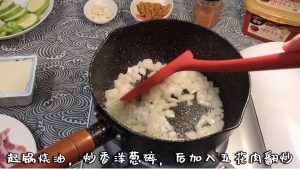
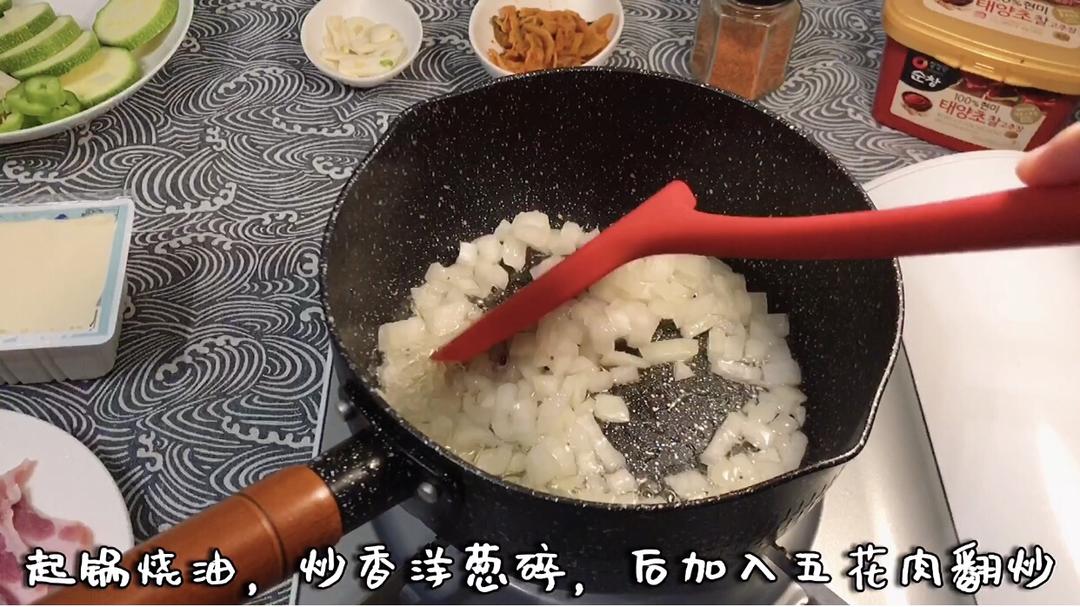
Step 1 – Heat a little oil and bloom the diced onion
Heat a little oil and bloom the diced onion.
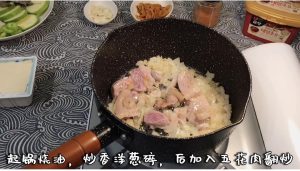
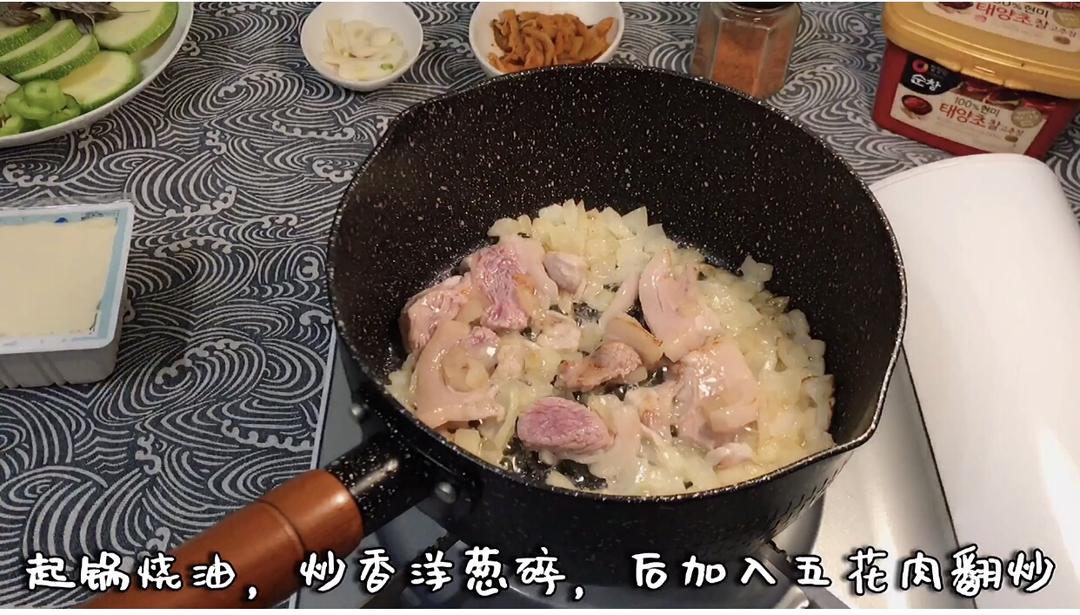
Step 2 – Add the pork belly and fry until it is just browned
Add the pork belly and fry until it is just browned.
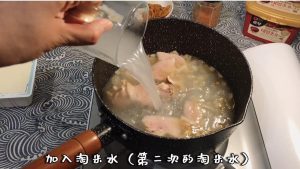
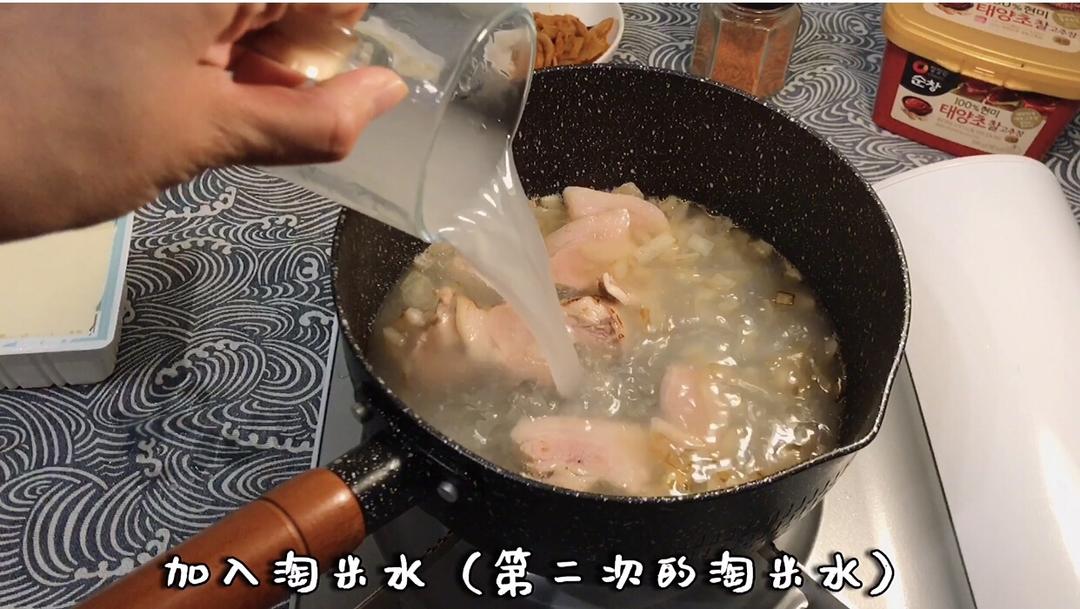
Step 3 – Add the rice-wash water (second wash) so the broth is m
Add the rice-wash water (second wash) so the broth is milky – or plain water.
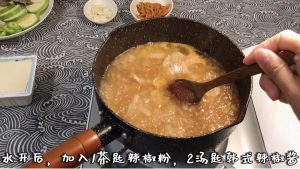
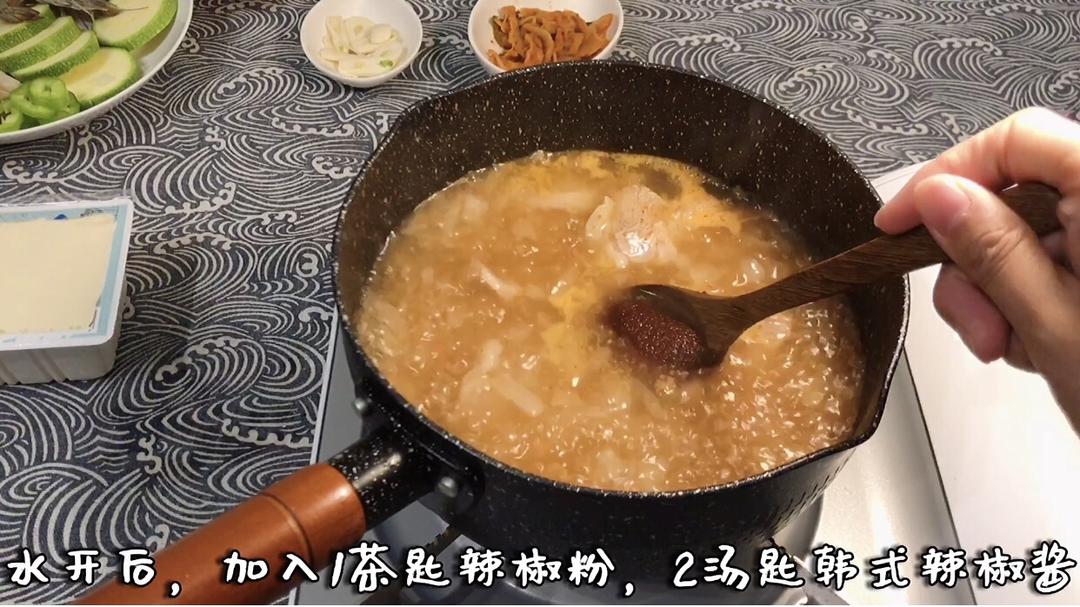
Step 4 – Add 1 teaspoon of chili powder and 2 tablespoons of goc
Add 1 teaspoon of chili powder and 2 tablespoons of gochujang.
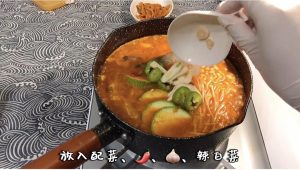
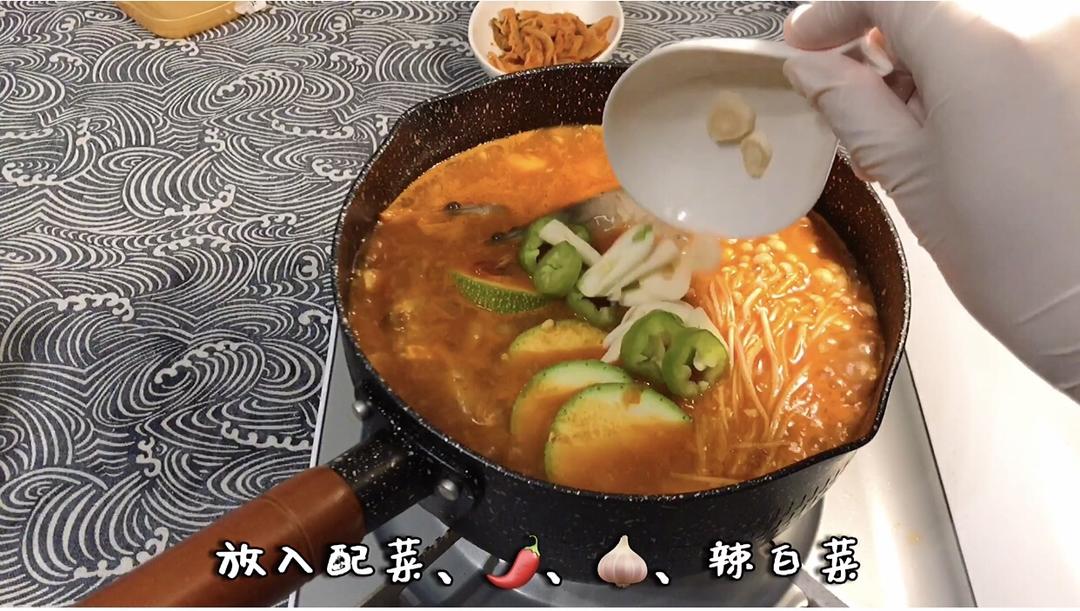
Step 5 – Once the paste melts, add a whole box of silken tofu, t
Once the paste melts, add a whole box of silken tofu, then the vegetables, garlic, and chili, and the kimchi – I like crisp kimchi, so I add it late.
Step 6 – Cover and simmer until the vegetables are cooked
Cover and simmer until the vegetables are cooked.
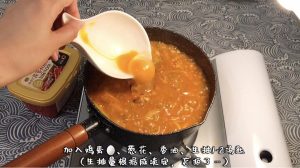
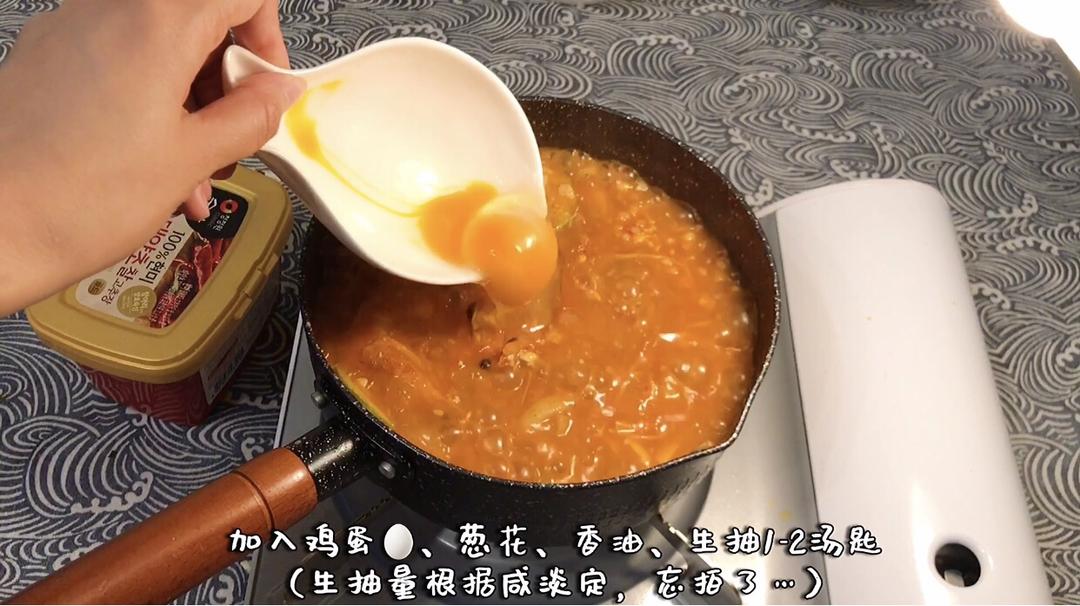
Step 7 – Before serving, add 2 tablespoons of light soy (use a l
Before serving, add 2 tablespoons of light soy (use a light-salt soy or adjust for a regular one), the egg, scallion, and sesame oil.
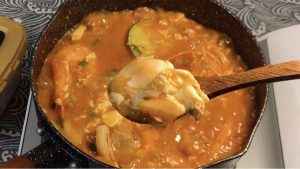
Step 8 – Done
Done.
Common Mistakes When Making This Dish
1. A thin, flat broth. Cause: no rice-wash water or too little paste. Fix: the second wash and both reds. 2. A raw gochujang taste. Cause: not melted. Fix: stir until it dissolves before the tofu. 3. Broken silken tofu. Cause: hard stirring. Fix: slide the box in whole and barely move it. 4. A salty bowl. Cause: regular soy in full spoons. Fix: light-salt soy or taste first. 5. A greasy slick. Cause: unrendered pork. Fix: fry it to just brown.
Variations
Seafood: Clams or shrimp with the tofu – the classic sundubu addition. Vegetarian: Skip the pork and use a little more kimchi. My spicy numbing tofu is the Chinese red cousin.
Frequently Asked Questions
What is rice-wash water? The water from the second rinse of rice – it makes the broth milky. Can I use water? Yes, the recipe allows it. Why add kimchi late? I like it crisp – add it early if you want it soft. Is it like mapo tofu? No – sundubu is a soup, Korean, with silken tofu whole. How long does it take? About 25 minutes – and my silken tofu potage is the mild soup to follow, savory tofu and egg stir-fry the fast plate.
How to Serve
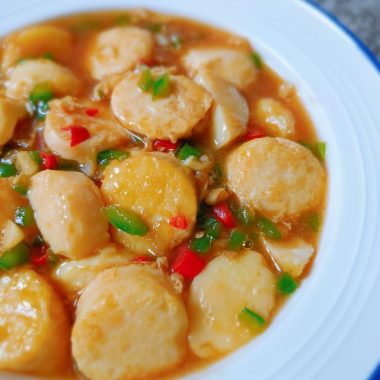
Serve boiling hot with rice – with spicy numbing tofu, silken tofu potage, and home-style tofu for a tofu table, or with golden pan-fried tofu and braised tofu with bok choy for contrast.
Storage & Reheat
Best fresh; refrigerate 1 day. Never leave out more than 2 hours.
Allergen Notice
This recipe contains pork, egg, soy (soy sauce, tofu), and may contain shellfish (kimchi, fish sauce). It is free of gluten (verify the gochujang and soy), dairy, and nuts.
Nutrition Disclaimer
Nutrition information is calculated using an ingredient database and should be considered an estimate. In cases where multiple ingredient alternatives are given, the first listed is calculated for nutrition. Garnishes and optional ingredients are not included.
About the Author & Recipe Development
I am Jason Guo, a Chinese chef who has cooked professionally for more than five years – including time as a head chef – and now runs my own small restaurant in China, where tofu appears on the menu almost every day. This xiachufang cook’s Itaewon-style sundubu is the Korean red bowl I make when I want the drama without leaving home, and the recipe’s rice-wash trick is exactly why the broth turns milky. I tested it as written. I have not tested the seafood version, so that is your experiment, not my claim.
Authoritative References
USDA Food Safety and Inspection Service – Safe Temperature Chart for safe storage of cooked dishes.
Korean Soft Tofu Stew (韩式嫩豆腐汤): The Itaewon Bowl
Ingredients
Equipment
Method
- Heat a little oil and bloom the diced onion.

- Add the pork belly and fry until it is just browned.

- Add the rice-wash water (second wash) so the broth is milky - or plain water.
- Add 1 teaspoon of chili powder and 2 tablespoons of gochujang.
- Once the paste melts, add a whole box of silken tofu, then the vegetables, garlic, and chili, and the kimchi - I like crisp kimchi, so I add it late.

- Cover and simmer until the vegetables are cooked.
- Before serving, add 2 tablespoons of light soy (use a light-salt soy or adjust for a regular one), the egg, scallion, and sesame oil.

- Done.