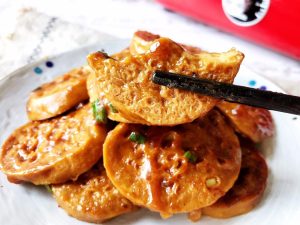
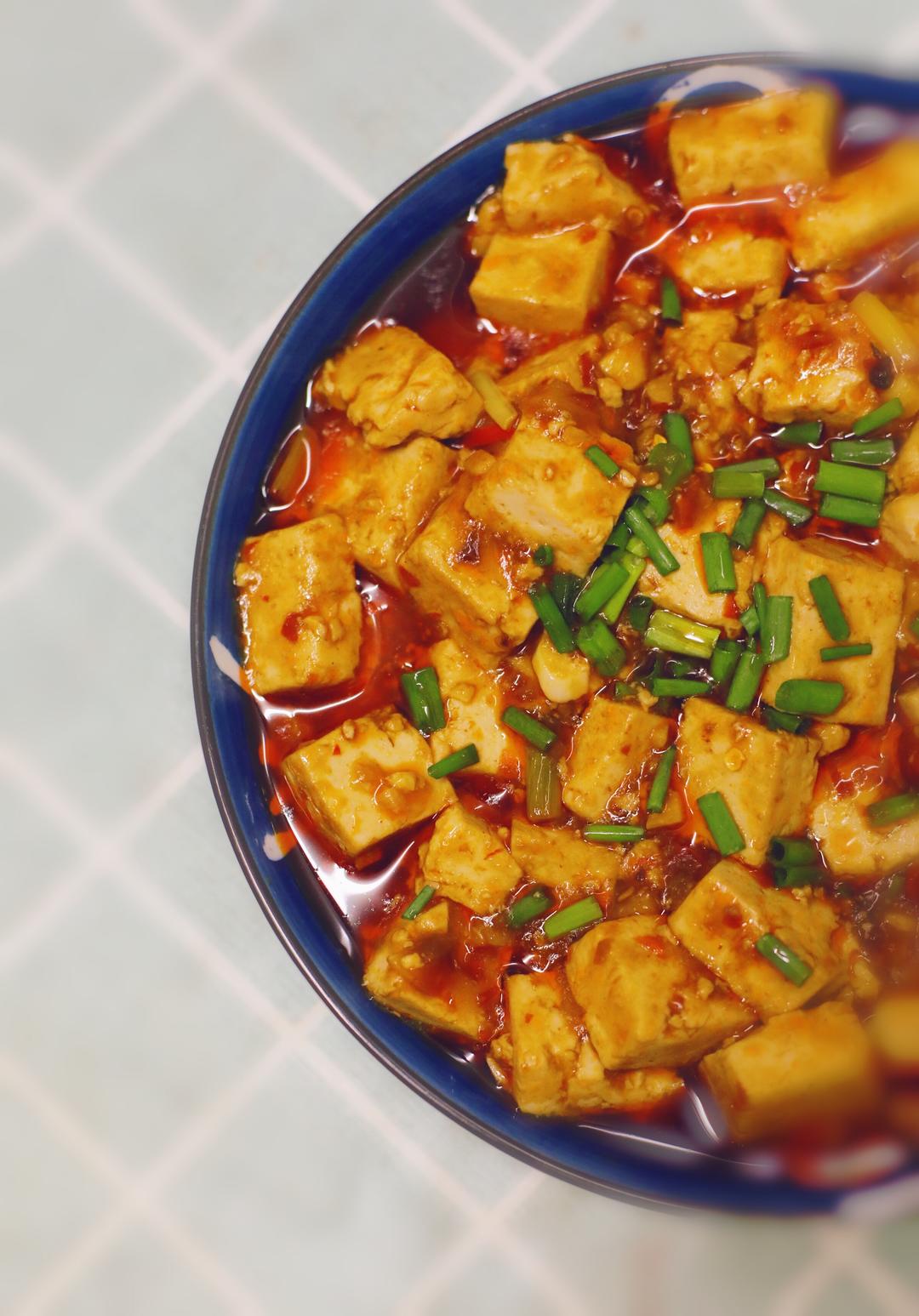
The Shanghainese plate I make when I want tofu that plumps is this one – red-braised sujitang, and this home cook’s version insists the slices be thick – 0.8 cm – so the roll keeps its chew. A home cook wrote it in nine steps with the finish in the title: the sauce reduces, the starch glosses, and it is plump and full. I made it as written, and it is the saucy, tender plate that proves a pressed roll can drink like a sponge.
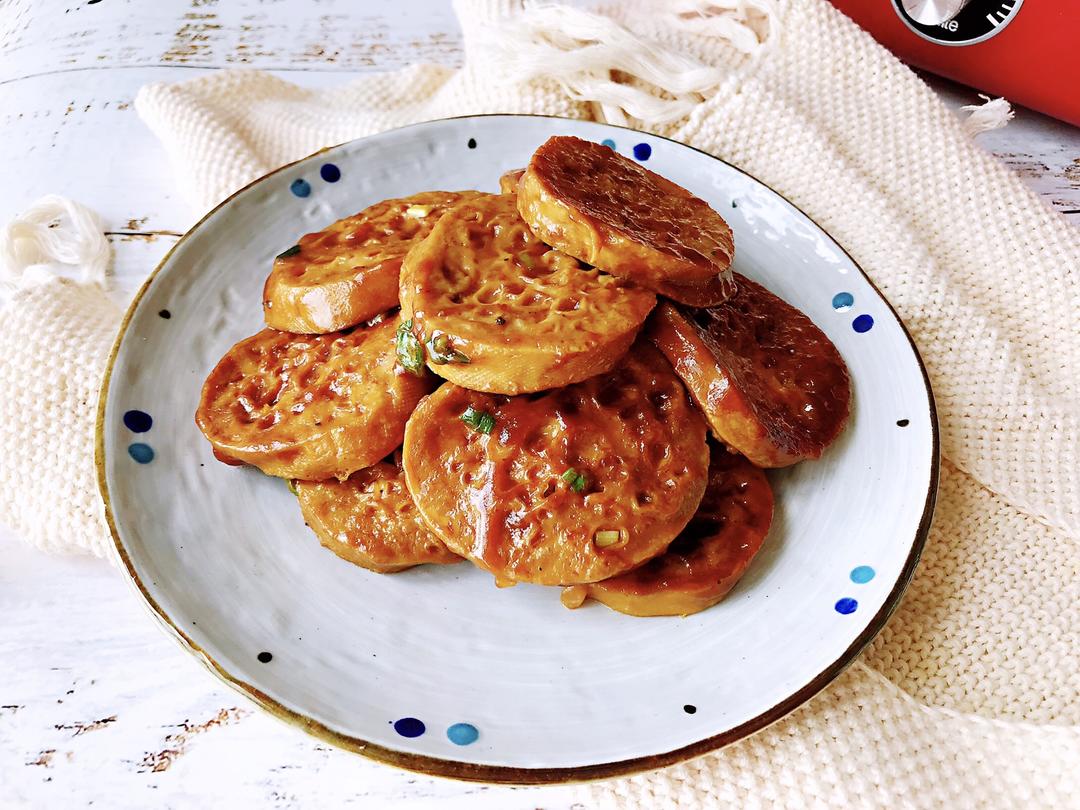
Hong shao su ji (红烧素鸡) is red-braised sujitang – thick slices of the pressed tofu roll pan-fried until their skins blister, then simmered in light and dark soy with oyster sauce and a little sugar, finished with a cornstarch gloss.
What Is Red-Braised Sujitang?
This is the braise that treats the pressed roll like meat: suji is washed, dried, and cut thick – about 0.8 cm, for the chew – then pan-fried in cold oil until the surfaces blister and turn gold on both sides. Garlic, scallion, and ginger bloom; the slices return with a bowl of sauce – two spoons of light soy, one of dark, one of oyster, and a small spoon of sugar in water – that nearly covers them. The lid goes on: boil, then a medium simmer of about ten minutes until the sauce is almost gone, when a cornstarch slurry and a little white pepper finish it.
For the red braise on a fresh block of tofu, my red braised tofu needs no blistering skin.
1Red Braised Tofu (Hong Shao Dou Fu)This authentic Sichuan-style Red Braised Tofu is a savory, slightly spicy vegetarian dish that is perfect for weeknight dinners. Tofu cubes are simmered in a rich Doubanjiang sauce infused with Sichuan peppercorns.Check out this recipe
Why This Recipe Works
- [“
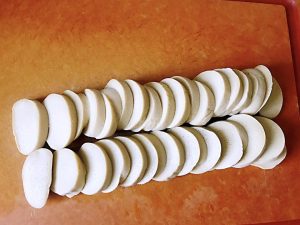
- The 0.8 cm slice. Thick for the chew – the recipe’s number.
- The blistered gold. Cold oil, both sides, small bubbles.
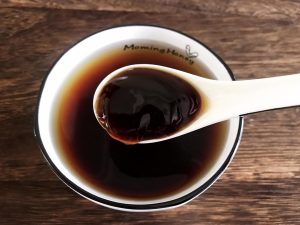
- The one-bowl sauce. Soy, dark soy, oyster, sugar – measured ahead.
- Sauce nearly covering. Ten minutes under the lid.
- The starch finish. Glossy, plump, and full.
“, ‘
‘, ‘
‘, ‘
‘, ‘
‘]
Equipment Needed
- A pan with a lid
- A bowl for the sauce
- A small bowl for the slurry
Ingredients
- 1 roll of suji (pressed tofu roll)
- 2 tbsp light soy, 1 tbsp dark soy, 1 tbsp oyster sauce, and 1 tsp sugar
- A little garlic, scallion, ginger, white pepper, and cornstarch
Ingredient Notes
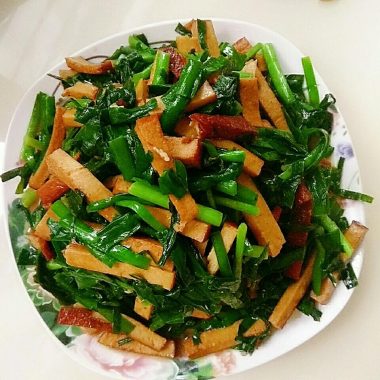
Suji: The pressed roll, cut 0.8 cm for the chew. My chives and suji stir is the fast version. The sauce: Mixed in one bowl ahead. The finish: Starch and white pepper.
Prep & Mise en Place
Slice the suji thick; mince the aromatics; mix the sauce and the slurry.
Cooking Process
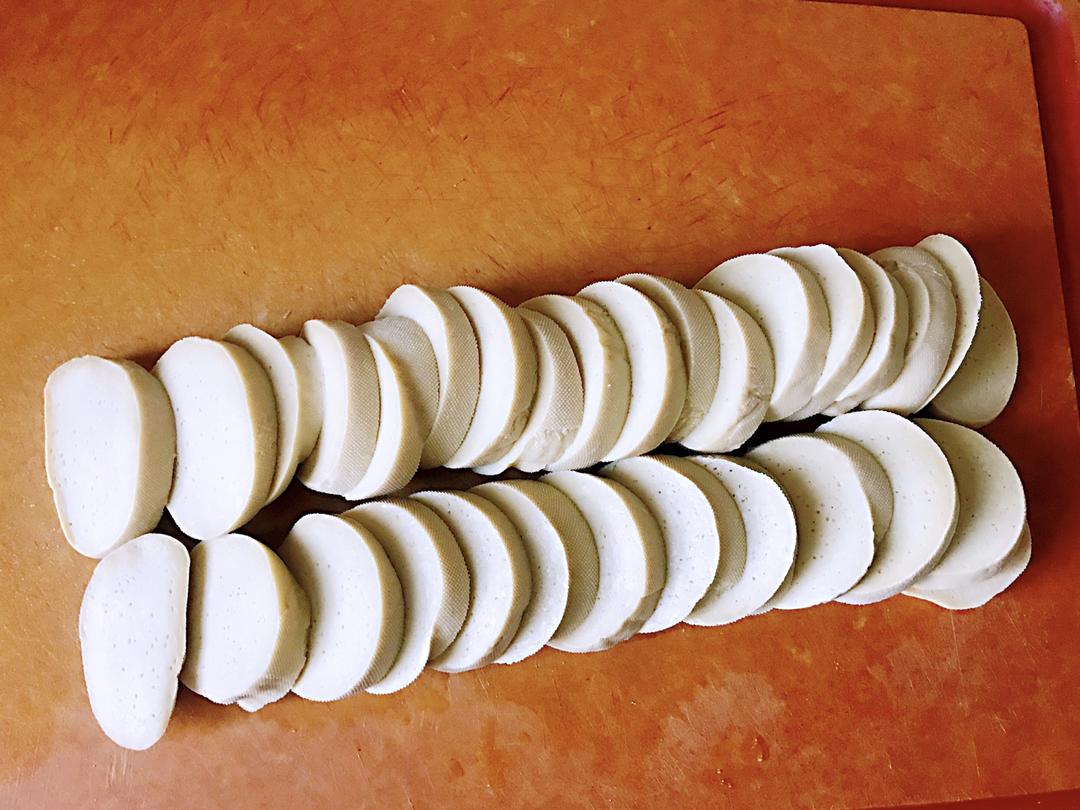
Step 1 – Wash the suji and dry it; do not slice too thin – cut 0
Wash the suji and dry it; do not slice too thin – cut 0.8 cm slices for the chewy texture.
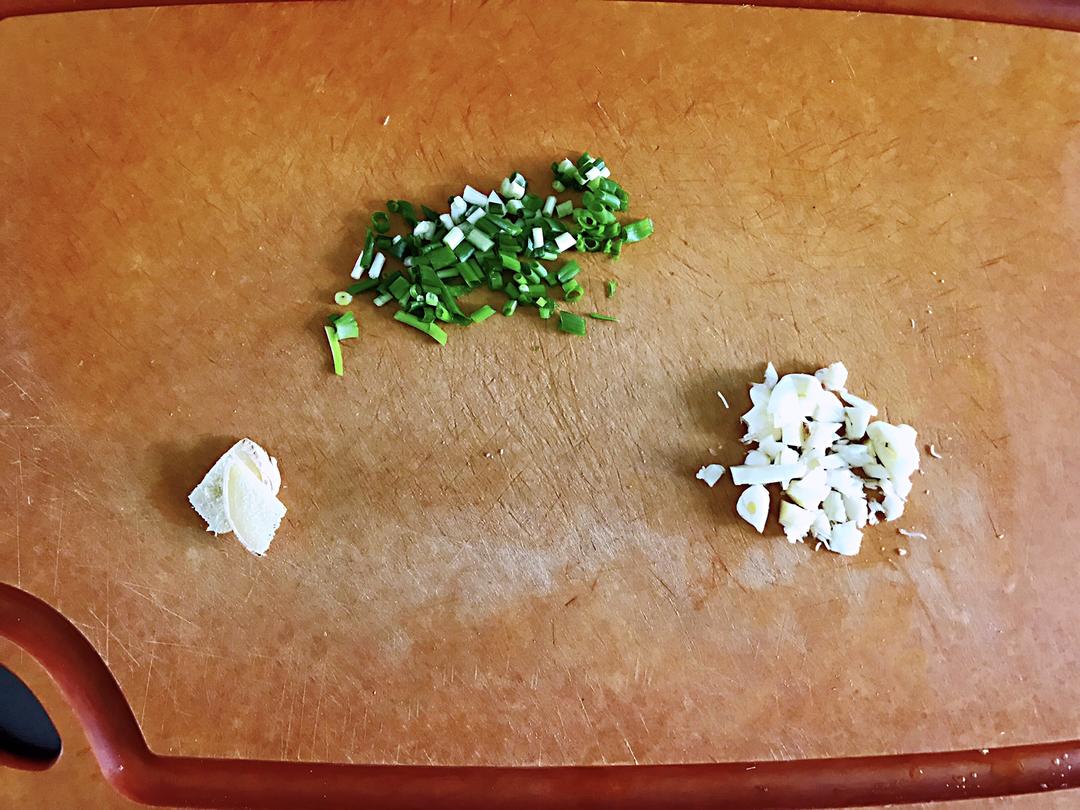
Step 2 – Smash the garlic and mince it; dice the scallion; slice
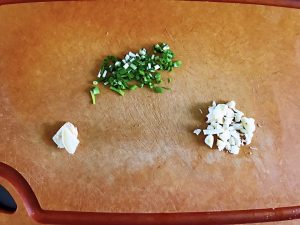
Smash the garlic and mince it; dice the scallion; slice the ginger.
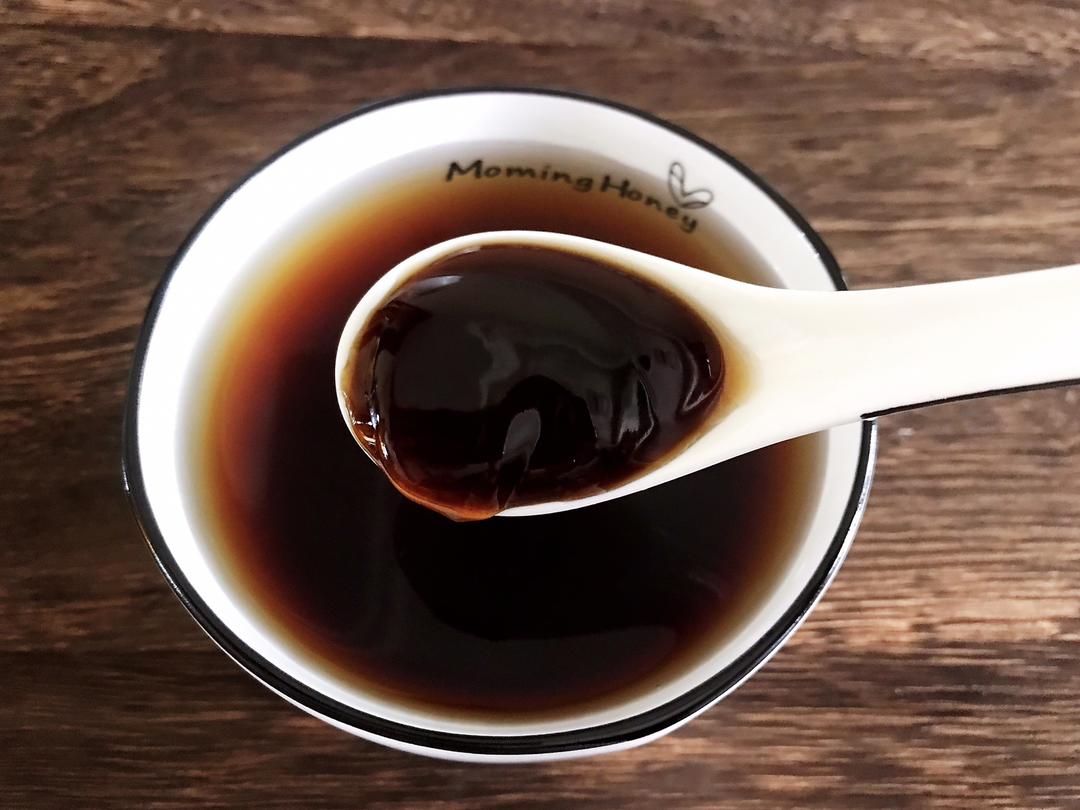
Step 3 – In a bowl of water: two spoons of light soy, one of dar
In a bowl of water: two spoons of light soy, one of dark soy, one of oyster sauce, and a small spoon of sugar.
Step 4 – Mix one spoon of cornstarch with three of water
Mix one spoon of cornstarch with three of water.
Step 5 – Heat the pan with cold oil, lay in the suji, and fry un
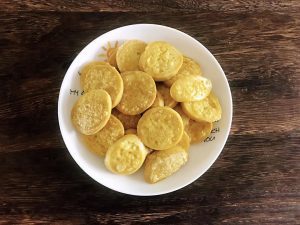
Heat the pan with cold oil, lay in the suji, and fry until the surface blisters; turn and fry the other side until both are golden. Set the slices aside.
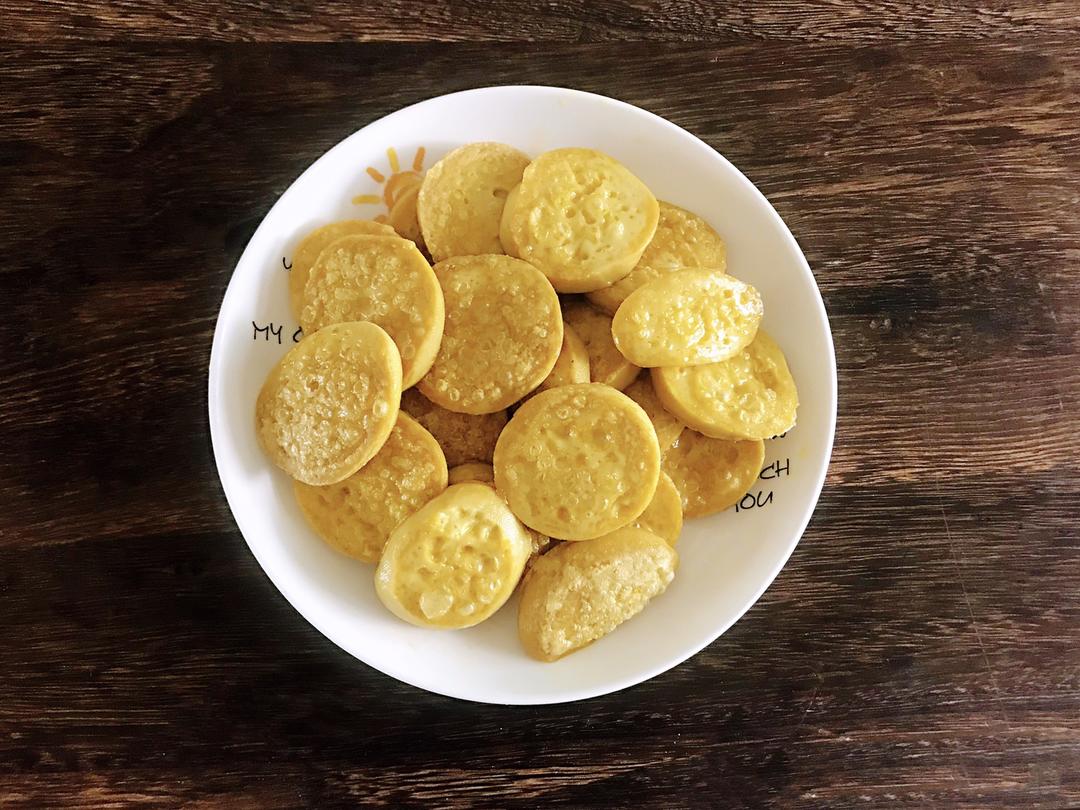
Step 6 – Heat the pan again with cold oil; bloom the ginger and
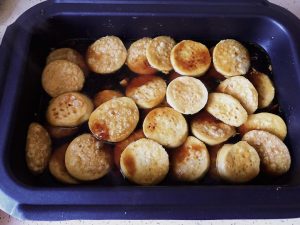
Heat the pan again with cold oil; bloom the ginger and garlic, return the suji, and toss; pour in the sauce – it should nearly cover the slices.
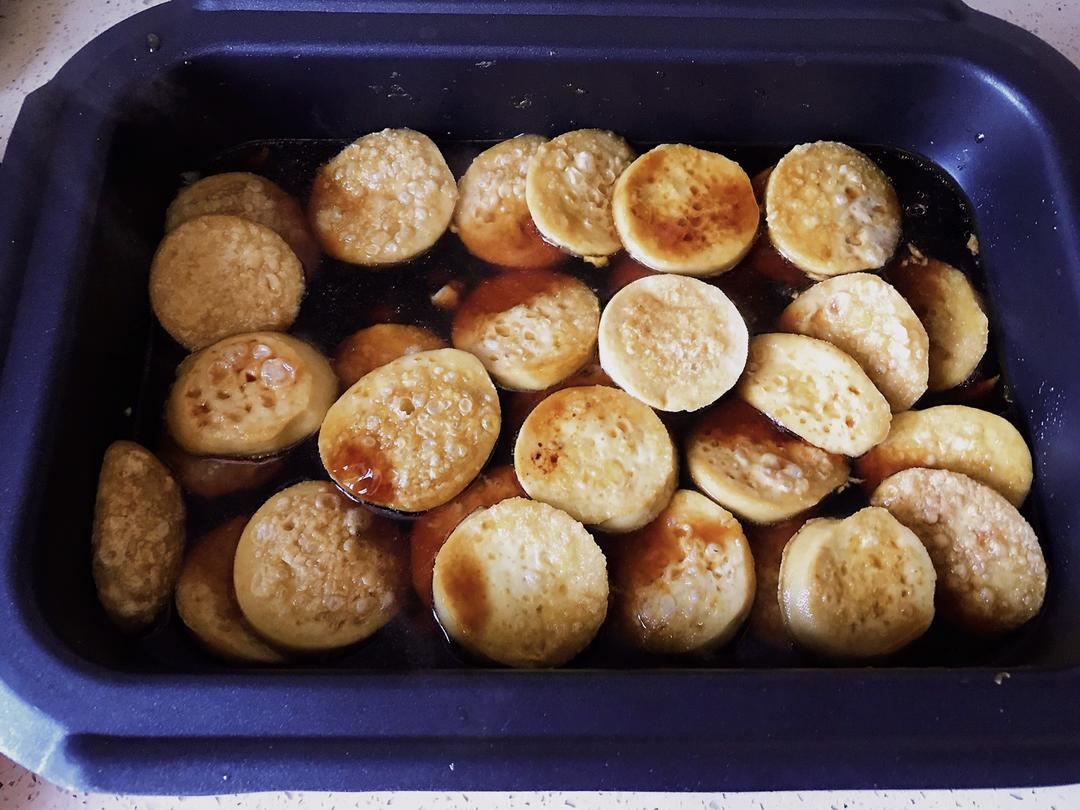
Step 7 – Cover, boil over high, then simmer over medium about 10
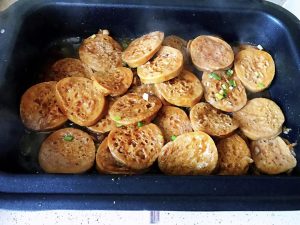
Cover, boil over high, then simmer over medium about 10 minutes until the liquid is nearly gone.
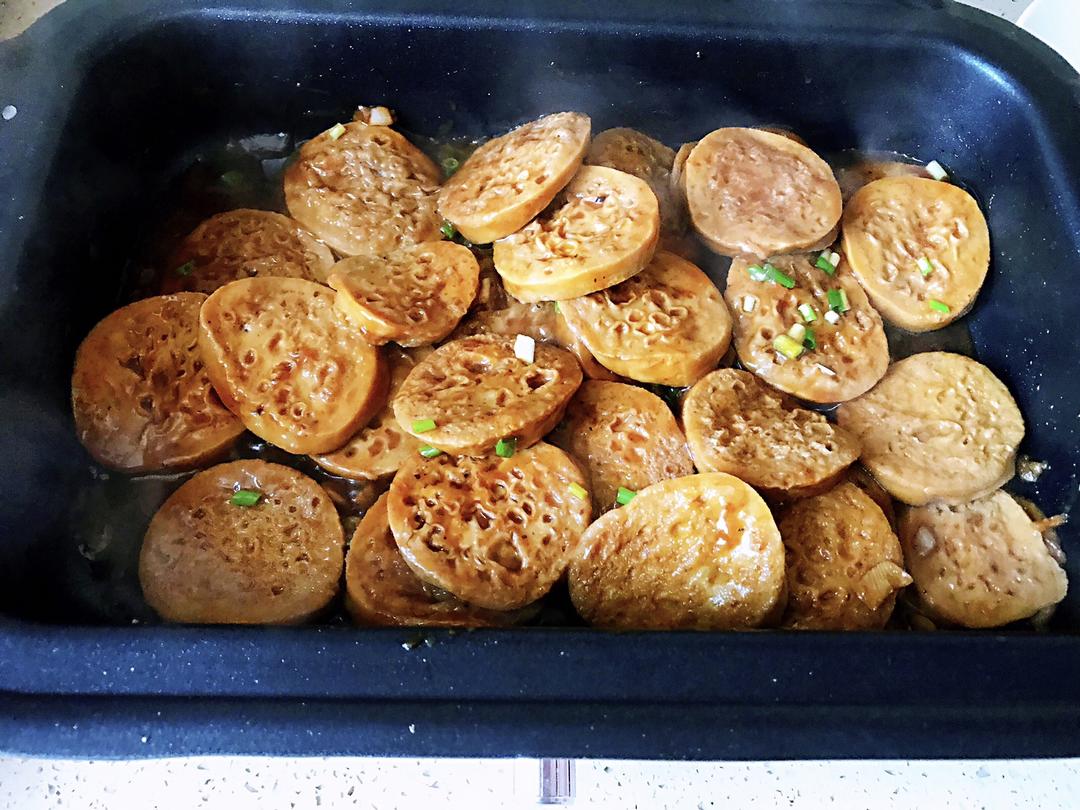
Step 8 – Stir the slurry and pour it in with a little white pepp
Stir the slurry and pour it in with a little white pepper; taste and add salt only if the sauce needs it.
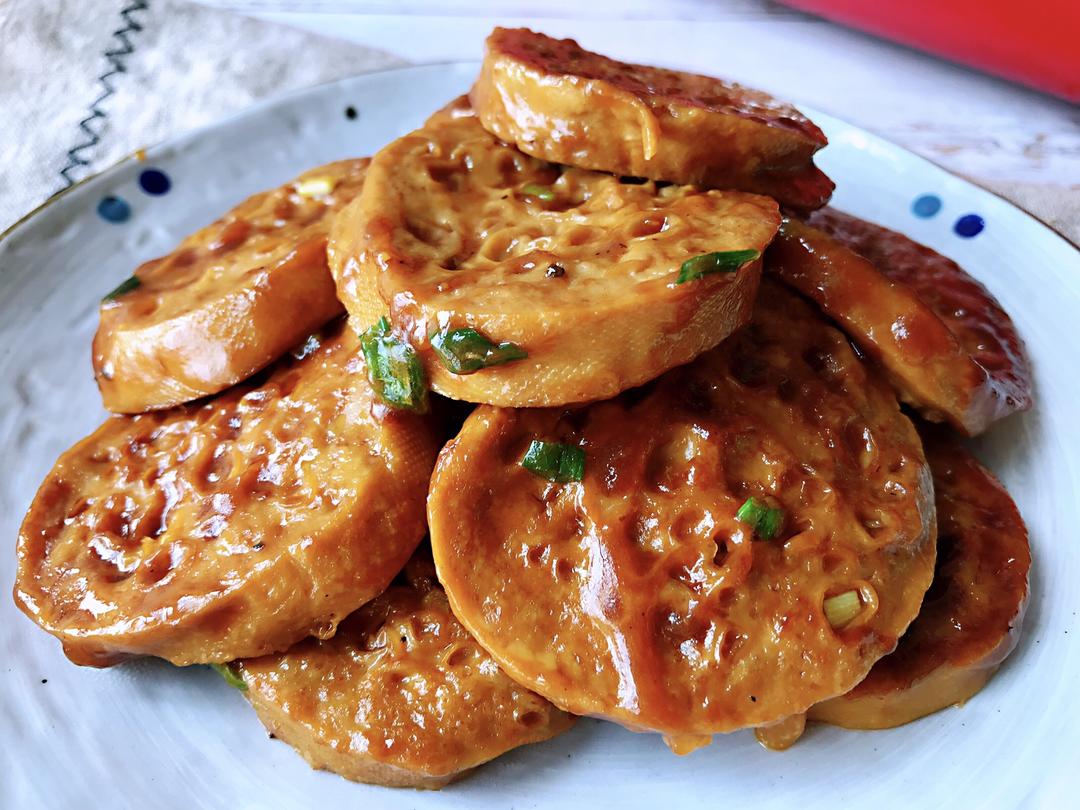
Step 9 – Plump and saucy – good to look at, better to eat
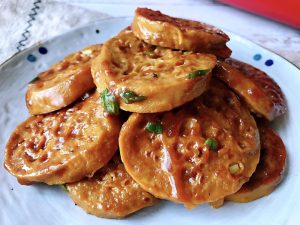
Plump and saucy – good to look at, better to eat.
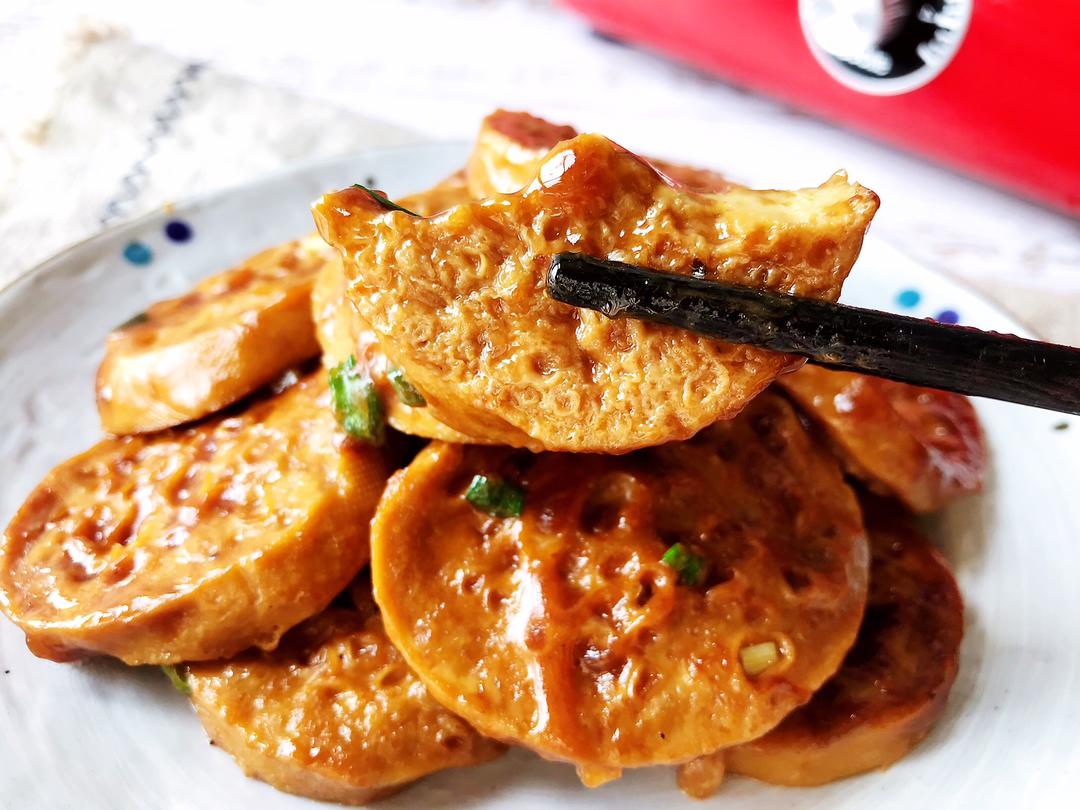
Common Mistakes When Making This Dish
1. Thin, mushy slices. Cause: cutting too thin. Fix: the 0.8 cm rule. 2. A pale, unblistered skin. Cause: oil too hot or no patience. Fix: cold oil and both sides. 3. A bitter dark-soy note. Cause: too much. Fix: one spoon. 4. A watery sauce. Cause: no reduce or no starch. Fix: ten minutes and the slurry. 5. A salty plate. Cause: soy, oyster, and salt. Fix: taste before adding salt.
Variations
Shanghainese style: A touch more sugar. Spicier: Chili with the ginger. My red braised tofu is the fresh-block version of the same sauce.
Frequently Asked Questions
What is suji? The pressed tofu roll – vegetarian chicken of the Shanghai table. Why 0.8 cm? Thick enough to keep the chew. Why blister the skin? It holds the sauce and plumps in the braise. How long does it take? About 25 minutes. Is it spicy? Not at all – and my chives and suji stir is the fast plate, silken tofu potage the gentle soup.
How to Serve
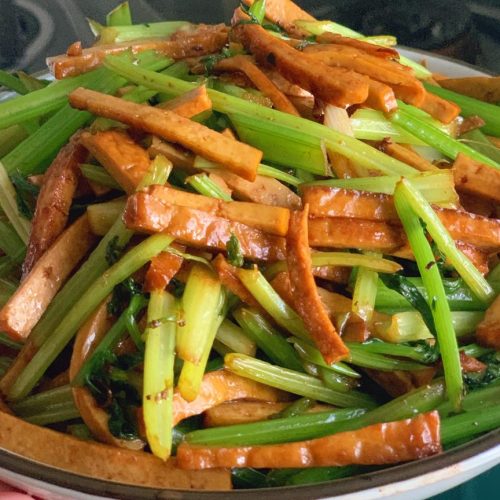
Serve over rice – with chives and suji stir, red braised tofu, and home-style tofu for a saucy table, or with braised tofu with bok choy and golden pan-fried tofu for contrast.
Storage & Reheat
Refrigerate 2 days; reheat gently. Never leave out more than 2 hours.
Allergen Notice
This recipe contains soy (suji, soy sauce) and shellfish (oyster sauce). It is free of gluten (verify the soy), dairy, egg, nuts, and fish.
Nutrition Disclaimer
Nutrition information is calculated using an ingredient database and should be considered an estimate. In cases where multiple ingredient alternatives are given, the first listed is calculated for nutrition. Garnishes and optional ingredients are not included.
About the Author & Recipe Development
I am Jason Guo, a Chinese chef who has cooked professionally for more than five years – including time as a head chef – and now runs my own small restaurant in China, where tofu appears on the menu almost every day. This xiachufang cook’s red-braised sujitang is the Shanghai plate I make when the roll is in the fridge, and the recipe’s 0.8 cm number is exactly the kind of precision I like. I tested it as written. I have not tested the extra-sweet Shanghai version, so that is your experiment, not my claim.
Authoritative References
USDA Food Safety and Inspection Service – Safe Temperature Chart for safe storage of cooked dishes.
Red-Braised Sujitang (红烧素鸡): The Blistered-Skin Braise
Ingredients
Equipment
Method
- Wash the suji and dry it; do not slice too thin - cut 0.8 cm slices for the chewy texture.

- Smash the garlic and mince it; dice the scallion; slice the ginger.
- In a bowl of water: two spoons of light soy, one of dark soy, one of oyster sauce, and a small spoon of sugar.
- Mix one spoon of cornstarch with three of water.
- Heat the pan with cold oil, lay in the suji, and fry until the surface blisters; turn and fry the other side until both are golden. Set the slices aside.
- Heat the pan again with cold oil; bloom the ginger and garlic, return the suji, and toss; pour in the sauce - it should nearly cover the slices.
- Cover, boil over high, then simmer over medium about 10 minutes until the liquid is nearly gone.
- Stir the slurry and pour it in with a little white pepper; taste and add salt only if the sauce needs it.
- Plump and saucy - good to look at, better to eat.