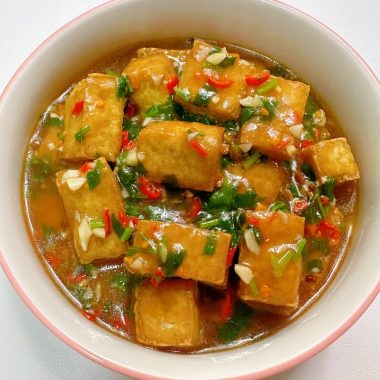
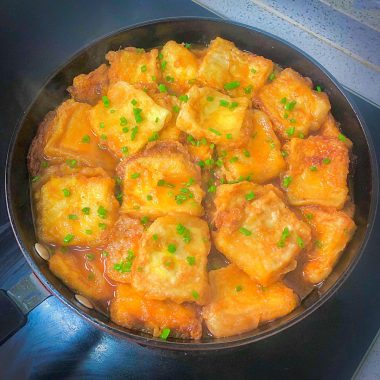
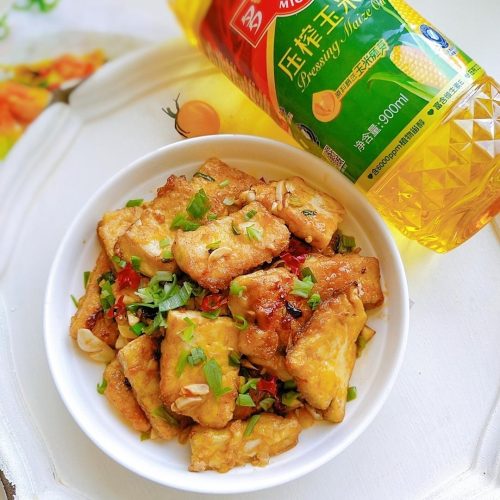
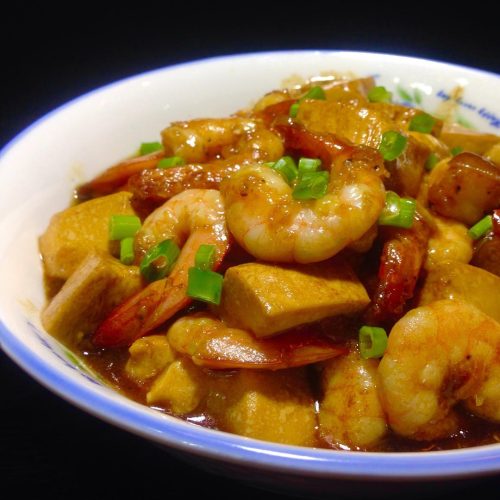
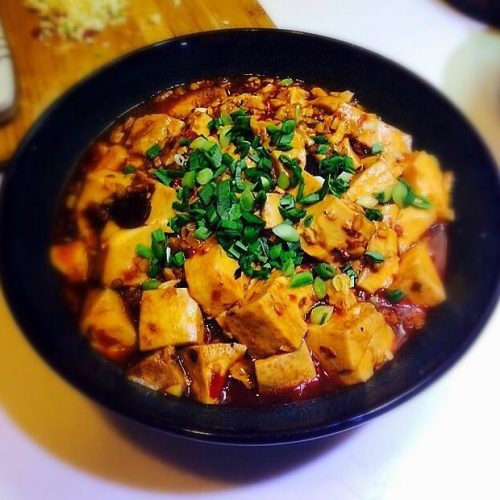
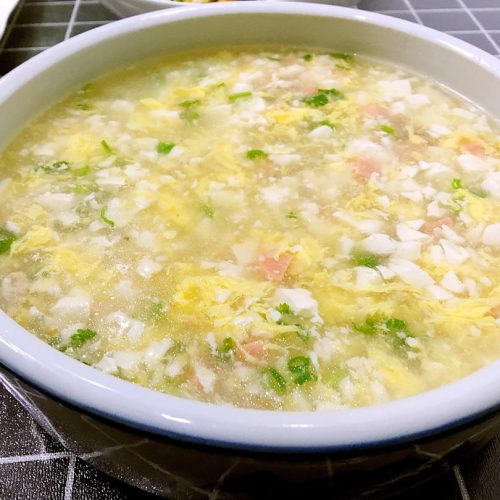
If there is one dish that screams “comfort food” in a Chinese household, it is Home-Style Tofu (Jia Chang Dou Fu). Growing up, this was a staple on our dinner table. Unlike the soft, silken texture of Mapo Tofu, this dish is all about texture.
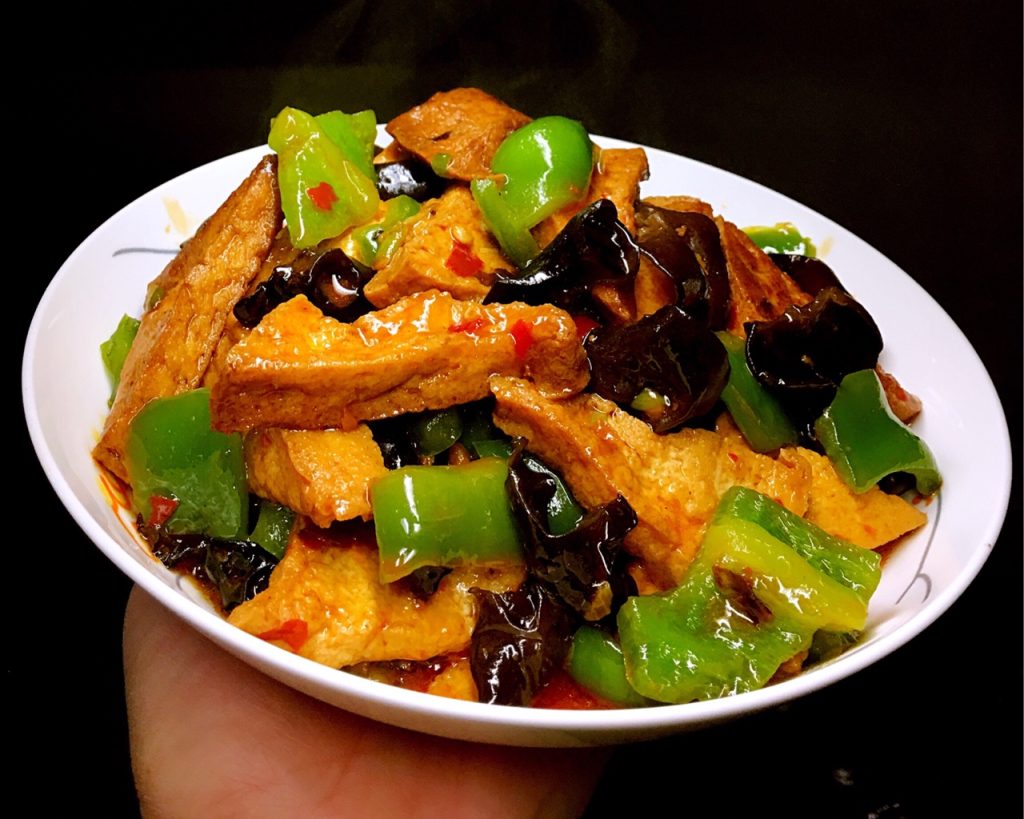
I remember watching my mom fry the tofu pieces until they were golden and puffy. She used to tell me, “The tofu needs to be hollow on the inside so it can drink up the sauce.” That advice has stuck with me for decades. Today, I’m sharing my family’s method for making this savory, slightly spicy, and incredibly satisfying dish. It’s “special, special, special simple” (as the original recipe says!) but delivers restaurant-quality flavor.
What is Home-Style Tofu?
Home-Style Tofu (家常豆腐) literally translates to “homestyle” or “daily life” tofu. Because it is a household dish, every family has their own version. However, the gold standard for this dish—especially in Northern and Sichuan cuisines—is the use of fried firm tofu braised in a rich, glossy red sauce made from Pixian Doubanjiang (spicy fermented bean paste).
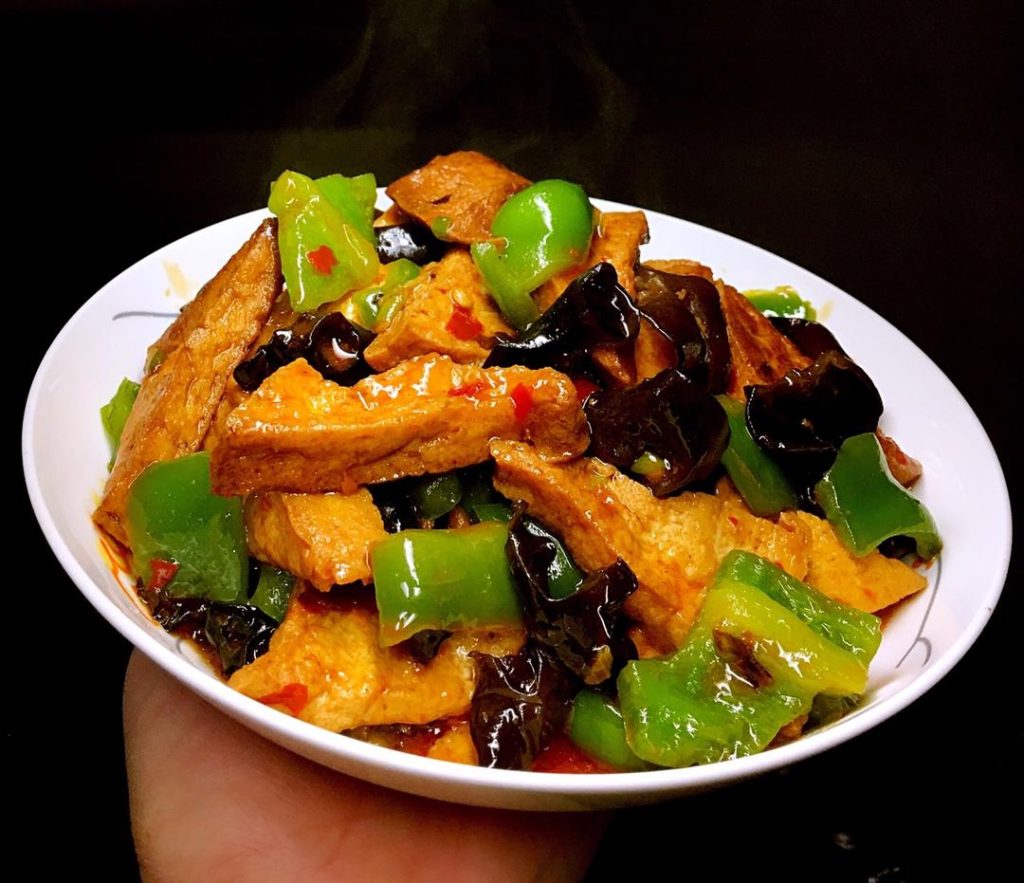
The dish is known for its “red and bright” color. If your dish isn’t glowing with a reddish hue, it usually means you were too shy with the chili paste! It pairs perfectly with steamed white rice, as the spongy tofu absorbs every bit of the savory sauce.
Why This Recipe Works
- Texture Contrast: By frying the tofu first, we create a chewy skin and a sponge-like interior that absorbs sauce better than raw tofu ever could.
- Umami Bomb: The combination of fermented bean paste (Doubanjiang) and wood ear mushrooms creates a deep, savory flavor profile.
- Balanced Nutrition: With protein from the tofu and fiber from the peppers and fungus, it’s a complete meal in one wok.
Key Ingredients & Substitutions
Before we head to the stove, let’s talk about sourcing the right ingredients for an authentic taste.
- Firm Tofu (North Tofu): The original recipe calls for “North Tofu” (北豆腐), which is essentially Firm or Extra Firm Tofu.
- Substitute: Do not use Silken or Soft tofu; it will fall apart during frying. Look for “Firm” at your local grocery store.
- Pixian Doubanjiang (Spicy Broad Bean Paste): This is the soul of the dish. It provides the salt, heat, and that signature red oil.
- Where to buy: Asian markets or Amazon. Brands like Juancheng or Dan Dan are excellent.
- Substitute: If you can’t handle heat, you can use a non-spicy Broad Bean Paste or just Oyster Sauce, though the flavor profile will change significantly.
- Wood Ear Mushrooms (Black Fungus): These add a crunchy, snappy texture. They usually come dried.
- Substitute: If you cannot find them, sliced shiitake mushrooms or bamboo shoots are good alternatives for texture.
- Green Bell Pepper: Adds freshness and color contrast.
- Substitute: Any color bell pepper works, or a mild chili pepper like Anaheim if you want more heat.
- Potato Starch: Used for the slurry to thicken the sauce.
- Substitute: Cornstarch is the standard Western substitute and works perfectly fine.
A Note on Tofu: Frying vs. Pan-Searing
You might be tempted to just lightly pan-sear the tofu to save oil. However, I have tested both methods.
- Deep/Semi-Deep Frying (Recommended): Creates a “honeycomb” structure inside the tofu. This allows the sauce to penetrate deep into the bean curd.
- Pan-Searing: Creates a crust, but the center remains dense and moist. The flavor will coat the outside but won’t soak in as much.
- My Advice: For this specific recipe, follow the frying method for the most authentic experience.
Equipment You Will Need
- Wok or Deep Skillet: Ideal for frying and braising.
- Slotted Spoon: For removing the fried tofu.
- Paper Towels: To drain excess oil.
- Kitchen Knife: For cutting tofu into triangles.
Recipe Notes Before We Begin
- Prep the Wood Ear: Dried wood ear mushrooms need to be rehydrated. Soak them in warm water for 20-30 minutes until soft, then trim off any hard woody stems at the base.
- Dry the Tofu: Tofu contains water, and water + hot oil = dangerous splashes. Pat your tofu blocks very dry with paper towels before cutting and frying.
- Doubanjiang Prep: If your bean paste has very large broad beans in it, it helps to mince it finely on a cutting board before cooking. This releases more flavor and red oil.
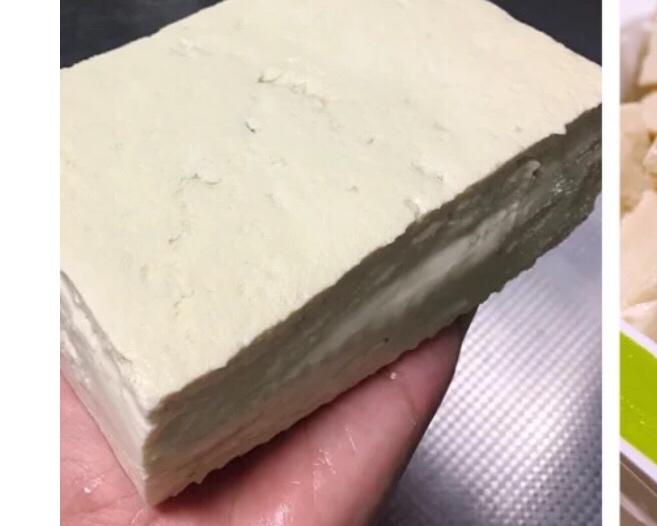
How to Make Home-Style Tofu
Step 1: Mise en Place
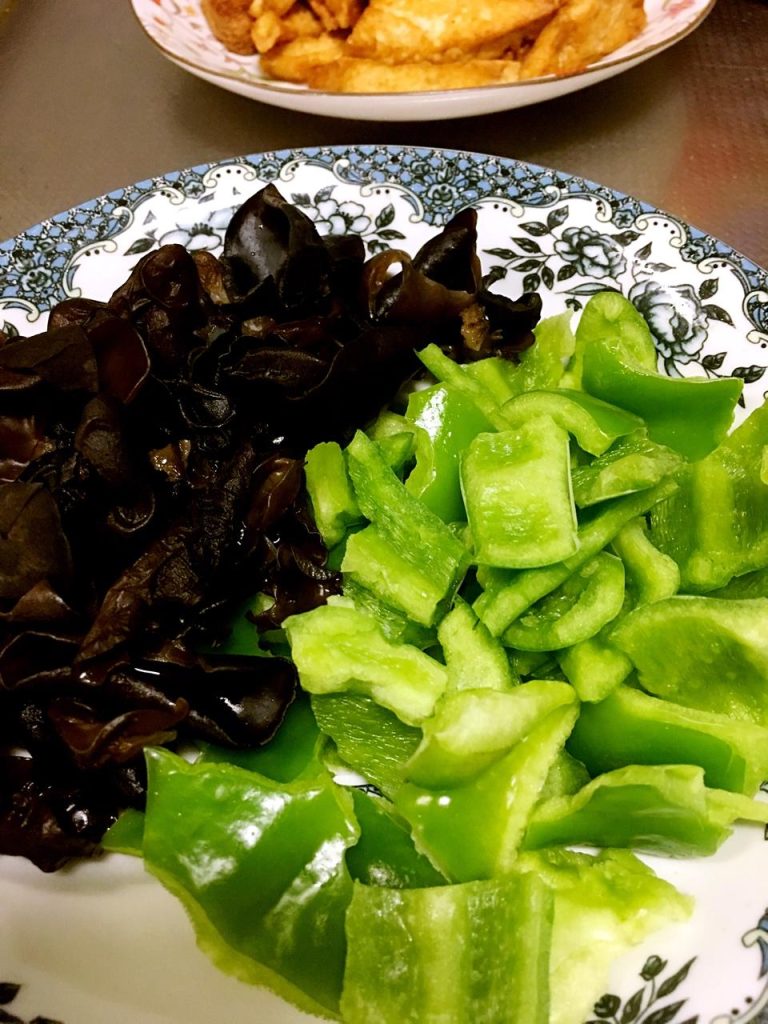
Cut the firm tofu into 1cm (about 0.4 inch) thick slices. Traditionally, we cut them into triangles for a nice visual presentation. Tear the rehydrated wood ear mushrooms into bite-sized pieces. Wash the bell pepper and break or cut it into chunks. Mince the ginger and slice the scallions.
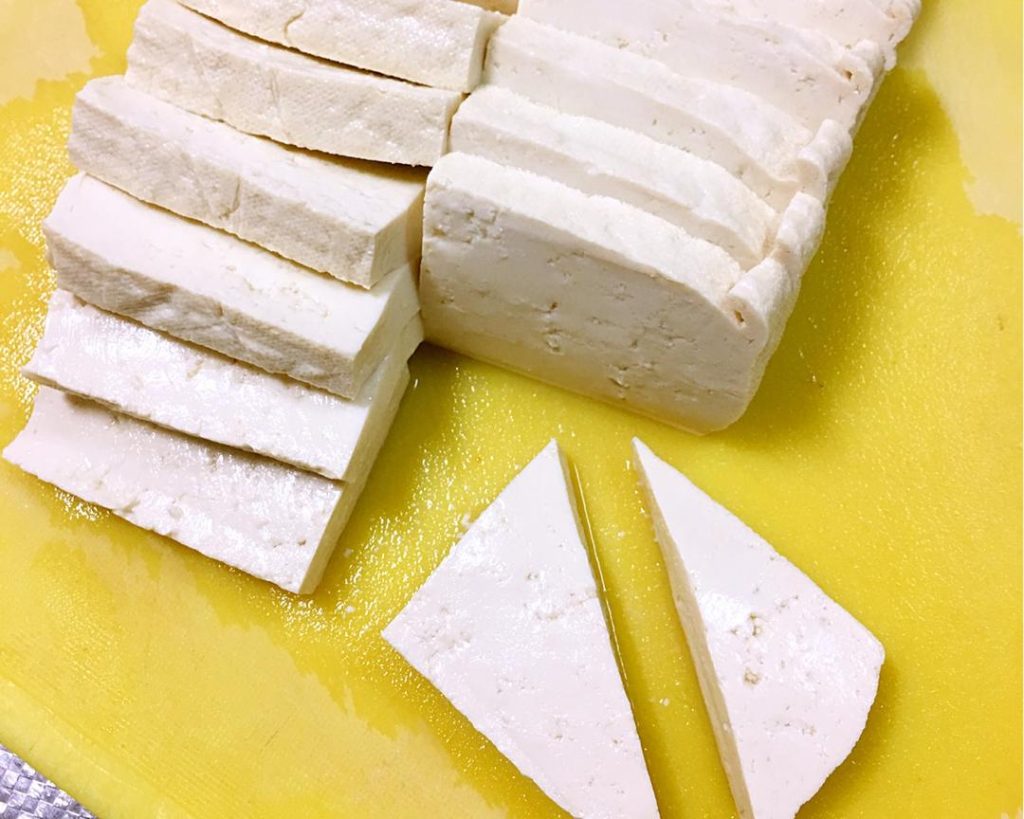
Step 2: Fry the Tofu (The Crucial Step)
Heat oil in your wok or skillet. You don’t need a swimming pool of oil, just enough to submerge the tofu halfway.
- Temperature Check: The oil should be around 350°F (175°C). If you stick a chopstick in, bubbles should form around it immediately.
- The Fry: Carefully slide the tofu triangles into the oil. Fry in batches so you don’t overcrowd the pan. Fry until they are golden brown and feel light (this means the water has evaporated, creating that hollow center).
- Safety Tip: Be careful of splashes.
- Drain: Remove and set aside on a paper towel.
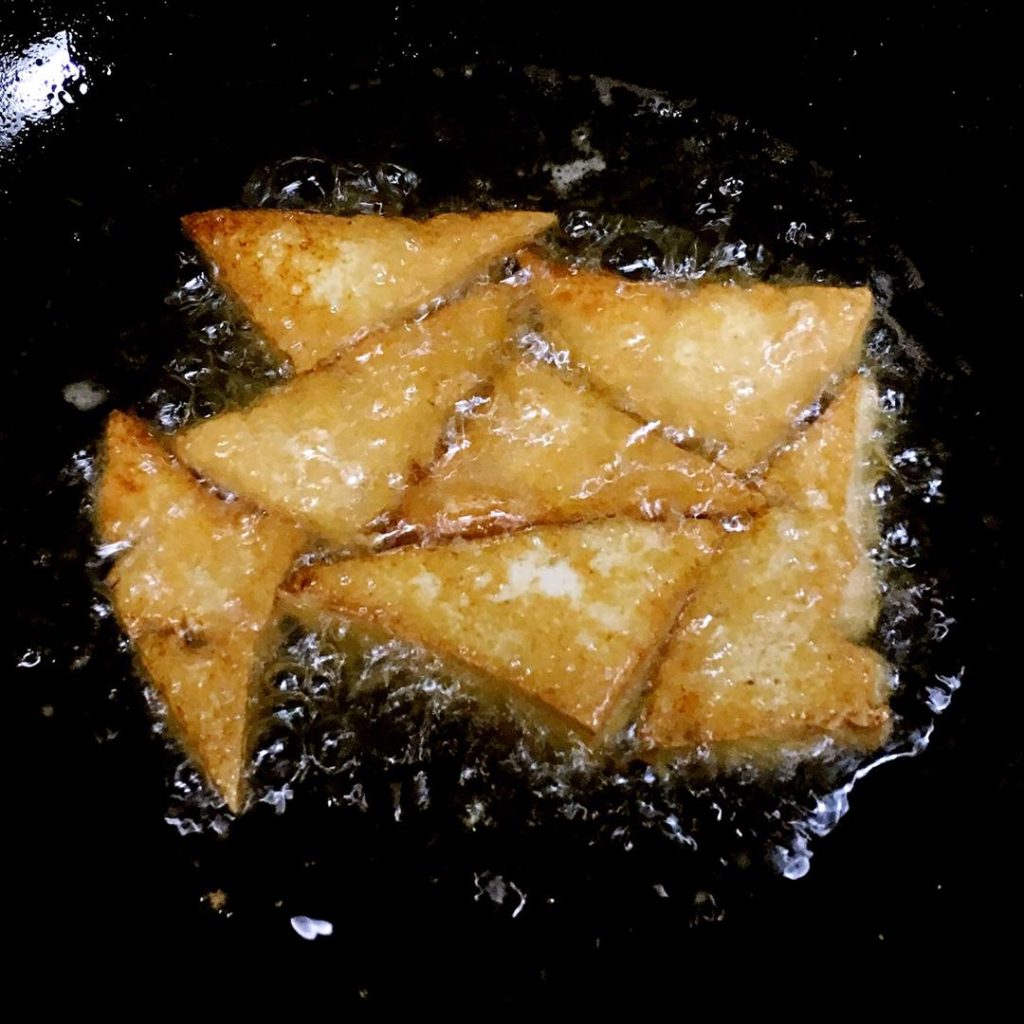
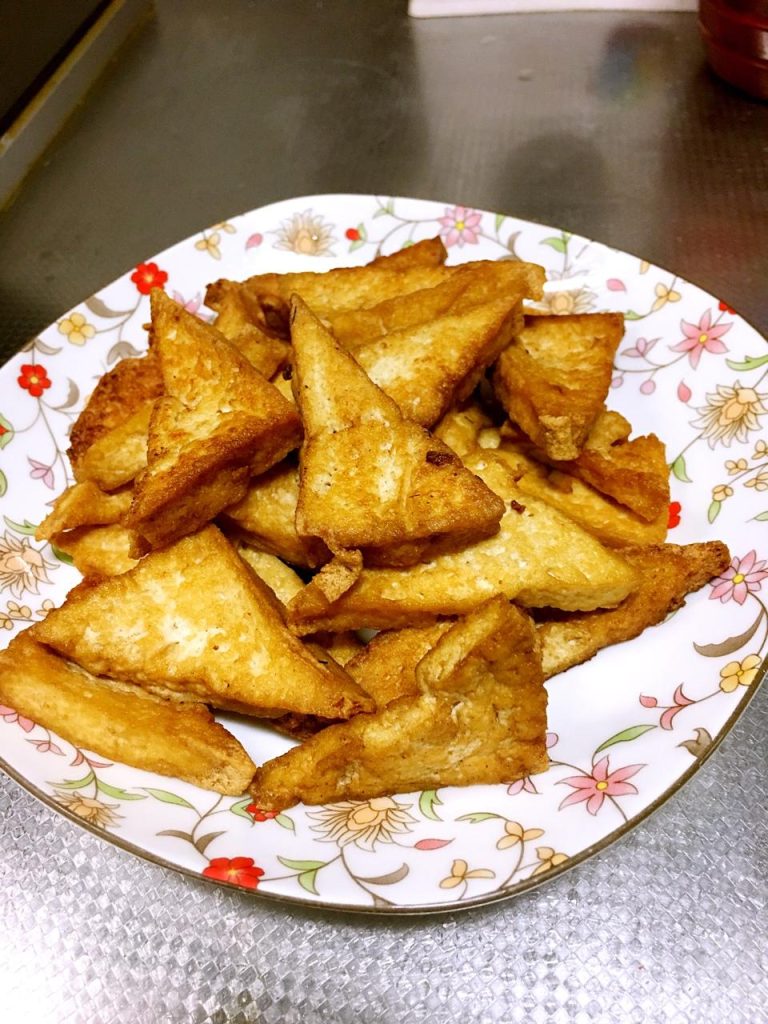
Step 3: Stir-Fry the Aromatics
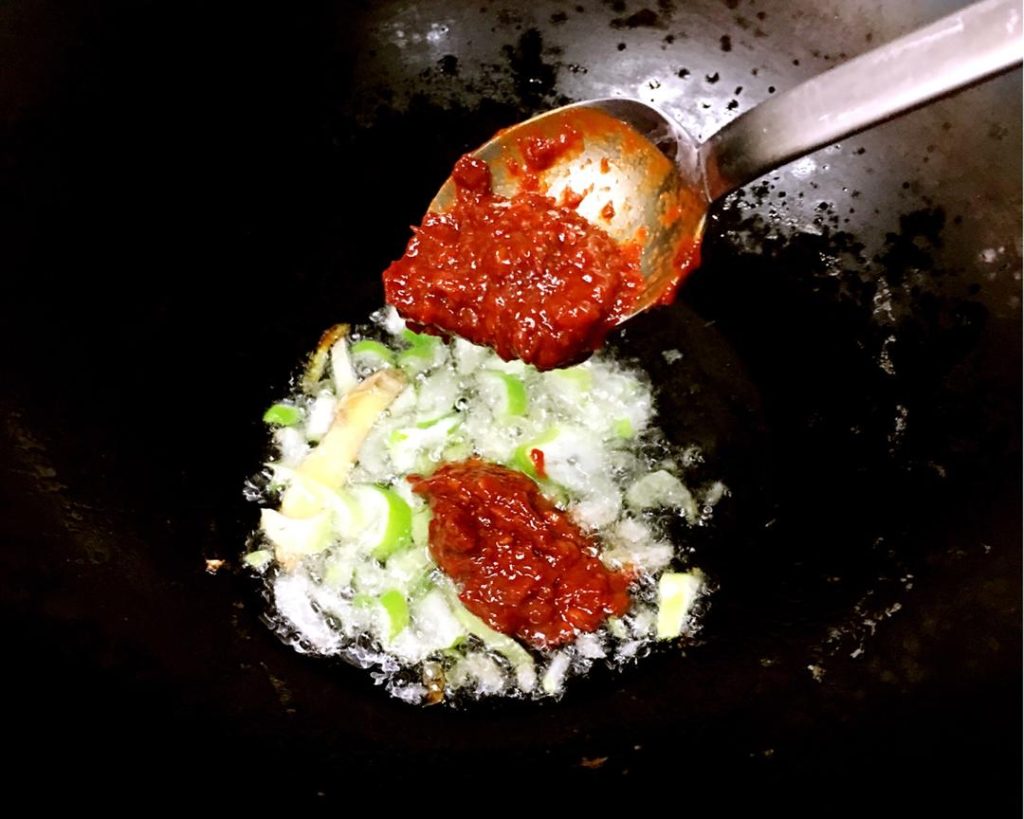
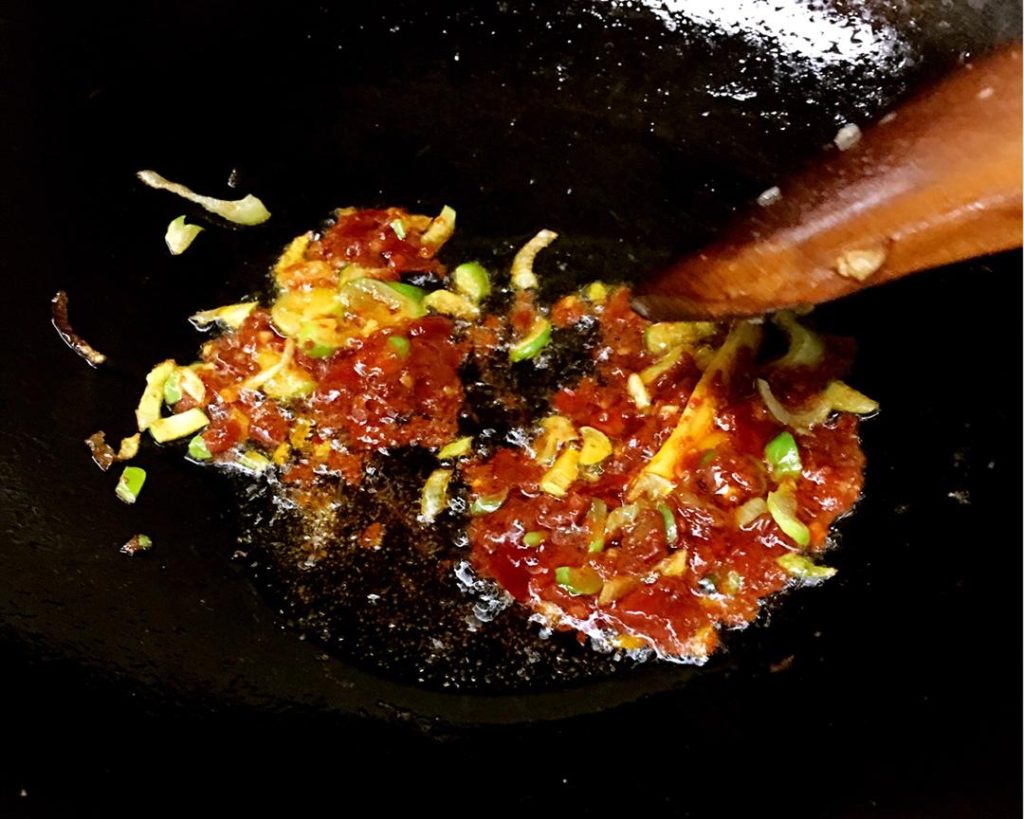
Pour out most of the oil, leaving about 1 tablespoon in the wok. Turn heat to low-medium. Add the minced scallions, ginger, and the tablespoon of Pixian Doubanjiang.
The “Red Oil” Stage: Stir-fry this mixture slowly. You want to cook the raw bean taste out of the paste and see the oil turn a vibrant red. If the heat is too high, the paste will burn and taste bitter.
Step 4: Braise
Add the wood ear mushrooms and the fried tofu back into the pan. Toss to coat them in the red oil. Pour in a small amount of water (about 1/2 to 2/3 cup—just enough to create a sauce base but not submerge them entirely). Add the teaspoon of sugar to balance the saltiness of the paste.
Note on Salt: Doubanjiang is very salty. I usually do not add extra salt, but taste your sauce here and adjust if needed. Cover with a lid and let it simmer for 2-3 minutes. This pushes the flavor into the tofu.
Step 5: Add Veggies and Thicken
Remove the lid. Add the green bell pepper chunks. We add these last so they stay crisp and green. Stir fry for another minute.
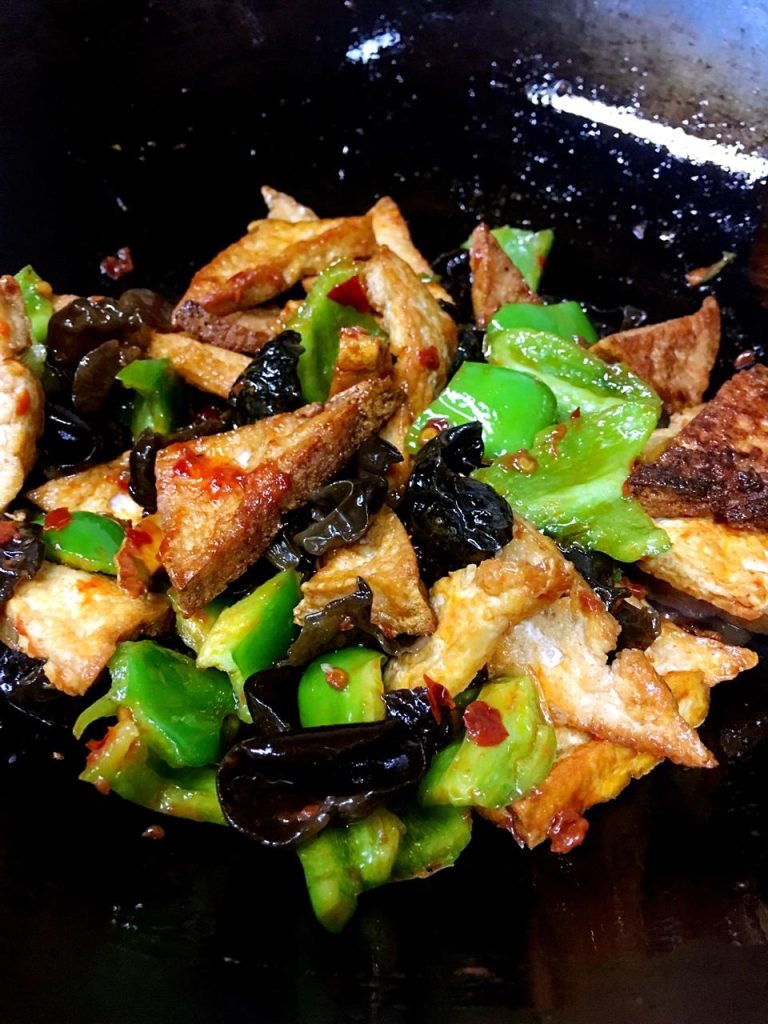
Thickening (Gou Qian): Mix your starch (potato or cornstarch) with cold water (1:4 ratio). Give the sauce a stir, then slowly pour the slurry in while moving the spatula. Stop when the sauce creates a glossy coating on the tofu. You might not need all the starch water.
Step 6: Serve
Transfer to a plate. The dish should be glistening, red, and aromatic. Serve immediately with rice.
Tips for Success
- Don’t Rush the Frying: If you pull the tofu out too early, it will be soft and breakable. Wait for that golden, slightly hard shell.
- Control the Salt: Brands of Doubanjiang vary in salinity. Always taste before adding soy sauce or salt.
- Glossy Finish: The final thickening step is key. If the sauce is too watery, it won’t cling to the ingredients. If it’s too thick, add a splash of water to loosen it up.
Serving Suggestions
This dish is robust and savory, so it needs a neutral partner.
- Rice: Steamed Jasmine or short-grain rice is essential.
- Soup: Pair it with a light soup like Creamy Tofu Soup with Clams to balance the spice.
- Vegetables: A simple garlic sautéed bok choy works well to clear the palate.
Common Troubleshooting & Variations
- Problem:My tofu is breaking apart.
- Cause: You likely used soft tofu or didn’t fry it long enough.
- Fix: Use Extra Firm tofu next time and ensure a deep golden crust forms before braising.
- Problem:The dish tastes bitter.
- Cause: You burned the Doubanjiang.
- Fix: Fry the paste on low heat just until the oil turns red, then immediately add liquids.
- Variation: Although this is a vegetarian classic, you can add thin slices of pork belly in step 3 before adding the paste for a meaty version.
Frequently Asked Questions
Q: Can I use an Air Fryer for the tofu? A: Yes! Toss the tofu triangles in a little oil and air fry at 400°F (200°C) for 12-15 minutes. It won’t be quite as “hollow” as deep frying, but it’s a great lower-oil alternative.
Q: Is this dish very spicy? A: It has a kick, but it’s not “numbing hot” like Mapo Tofu. The sugar helps balance the heat. You can reduce the bean paste to 1 tablespoon for a milder version.
Q: Can I meal prep this? A: Absolutely. Tofu holds its texture very well. In fact, it might taste even better the next day as it absorbs more sauce!
NOTES:
The “Puff” Effect: The key to authentic Home-Style Tofu is the texture. We fry the tofu not just to cook it, but to expand the air pockets inside. If your oil is not hot enough (below 350°F/175°C), the tofu will soak up oil instead of puffing up. You want the tofu to feel noticeably lighter in weight after frying.
Handling Wood Ear Mushrooms: Dried wood ear mushrooms expand significantly—often 3 to 4 times their dried size. A small handful is usually enough. Ensure you wash them thoroughly after rehydrating to remove any grit hidden in the folds.
Balancing the Doubanjiang: Different brands of Pixian Doubanjiang have varying salinity levels. We specifically tested this with Juancheng brand. If using a different brand, taste the sauce before adding any extra soy sauce or salt. If it tastes too sharp or salty, a pinch more sugar will help round out the flavor.
Starch Slurry Consistency: When thickening the sauce (Gou Qian), stir your starch water immediately before pouring it in, as starch settles quickly. Pour slowly in a circular motion while stirring the wok to prevent clumps from forming.
Authoritative References & Food Safety
- Safe Tofu Storage: Tofu is a perishable ingredient. According to the USDA Food Safety and Inspection Service, leftovers should be refrigerated at 40°F (4°C) or below within 2 hours of cooking and consumed within 3 to 4 days.
- Allergen Information: This dish contains soy (tofu, bean paste) and wheat (often found in fermented bean pastes and soy sauce). For more information on managing food allergens, refer to the FDA Food Allergen Labeling and Consumer Protection Act.
- Dietary Guidelines: Tofu is an excellent source of plant-based protein. The American Heart Association recommends replacing high-fat meats with plant proteins like tofu to improve heart health.


Home-Style Tofu (Jia Chang Dou Fu)
Ingredients
Equipment
Method
- Prep the Tofu: Cut the block of firm tofu into triangles or squares about 1cm (0.4 inches) thick. Use paper towels to pat them very dry to prevent dangerous oil splashing during frying.
- Fry the Tofu: Heat the neutral oil in a wok to 350°F (175°C). Carefully slide tofu pieces in (work in batches to avoid overcrowding). Fry until they are golden brown on both sides and feel puffy/light. Remove with a slotted spoon and drain on paper towels.
- Stir-Fry Aromatics: Pour out most of the oil, leaving about 1 tablespoon in the wok. Turn heat to medium-low. Add the chopped scallions, minced ginger, and Pixian Doubanjiang. Stir-fry gently until the oil turns a vibrant red color and the aroma is released (don’t burn the paste).
- Braise: Return the fried tofu and prepared wood ear mushrooms to the wok. Toss to coat them evenly in the red oil. Pour in the water and add the sugar. Cover the wok with a lid and let it simmer for 2-3 minutes to allow the tofu to absorb the flavors.
- Add Veggies: Remove the lid. Add the green bell pepper chunks. Stir-fry for about 1 minute over medium-high heat until the peppers are crisp-tender.
- Thicken & Serve: Give your starch slurry (starch + water) a quick mix, then slowly pour it into the sauce while stirring constantly. Cook for another 30 seconds until the sauce thickens and glossy, clinging to the tofu. Serve immediately with steamed rice.
Notes
- The “Puff” Factor: Ensure your oil is hot enough (350°F) before adding the tofu. This ensures the tofu puffs up and creates a sponge-like interior perfect for soaking up sauce.
- Salt Control: Doubanjiang is naturally salty. We recommend tasting the sauce before adding any additional salt or soy sauce.
- Substitutions: If you cannot find Wood Ear Mushrooms, sliced shiitake mushrooms or bamboo shoots are great alternatives for texture.